Over several issues, The Breeze has explored how thyroid dysfunction can affect everything from energy levels and weight to mood and overall well-being. As we wrap up this series on thyroid health, it’s worth revisiting one key message: the thyroid plays a vital role in regulating many of the body’s most essential functions, and caring for it proactively can make a meaningful difference in long-term health.
The thyroid produces hormones that influence metabolism, energy, heart rate, and more. It’s not something most people think about—until something feels off. Taking steps now to support thyroid health can help prevent issues later.
It may come as no surprise that the thyroid, like every organ in the body, is made up of cells. Each organ has specialized cells with specific nutritional needs in order to function properly. Healthy cells support healthy organs.
For example, mitochondria—often called the “powerhouses” of the cell—are responsible for producing ATP, the body’s primary energy source. Cardiac muscle cells contain large numbers of mitochondria because they require significant energy, while red blood cells contain none. This is why heart-health supplements such as CoQ10 are often promoted—CoQ10 supports healthy mitochondrial function.
You’ve likely heard the phrase, “You are what you eat,” but it goes even further than that. You are what you eat, digest, and absorb into your cells. Every bite of food sends a message to your body at the cellular level, which makes nutrient-rich foods essential for thyroid health.
Several nutrients play a key role in proper thyroid function, including iodine, iron, magnesium, selenium, vitamin D, and zinc.
Iodine is often added to table salt, but this is not always the most effective way to absorb it. Iodine-rich foods include eggs, fish, raw dairy, sea vegetables, and strawberries. Kelp sprinkles are a flavorful source of iodine and can be used much like salt. They are especially good sprinkled on eggs, salads, or vegetables.
Iron: Beef, lamb, and liver are excellent sources of iron.
Magnesium: Dark leafy greens, nuts, and seeds provide healthy amounts of magnesium.
Selenium: Just two to three Brazil nuts per day provide sufficient selenium. These can be eaten on their own or added to smoothies or protein shakes.
Vitamin D: Fatty fish such as salmon and tuna are good sources of vitamin D. When purchasing tuna, look for mercury-free options.
Zinc: Shrimp, kidney beans, spinach, and flax seeds are all good sources of zinc.
A quick online search can provide additional food ideas rich in these nutrients.
While supplements such as magnesium, vitamin D, and zinc can be beneficial for some people, obtaining nutrients through food remains important. Whole foods provide nutrients in combination with other supportive compounds, allowing the body to absorb and use them more effectively. Supplements should enhance, not replace a nutrient-rich diet.
Iodine, iron, and selenium should not be taken as supplements without guidance from a health care provider.
If you have questions about thyroid health or would like to discuss concerns related to this series, you’re encouraged to reach out at [email protected].

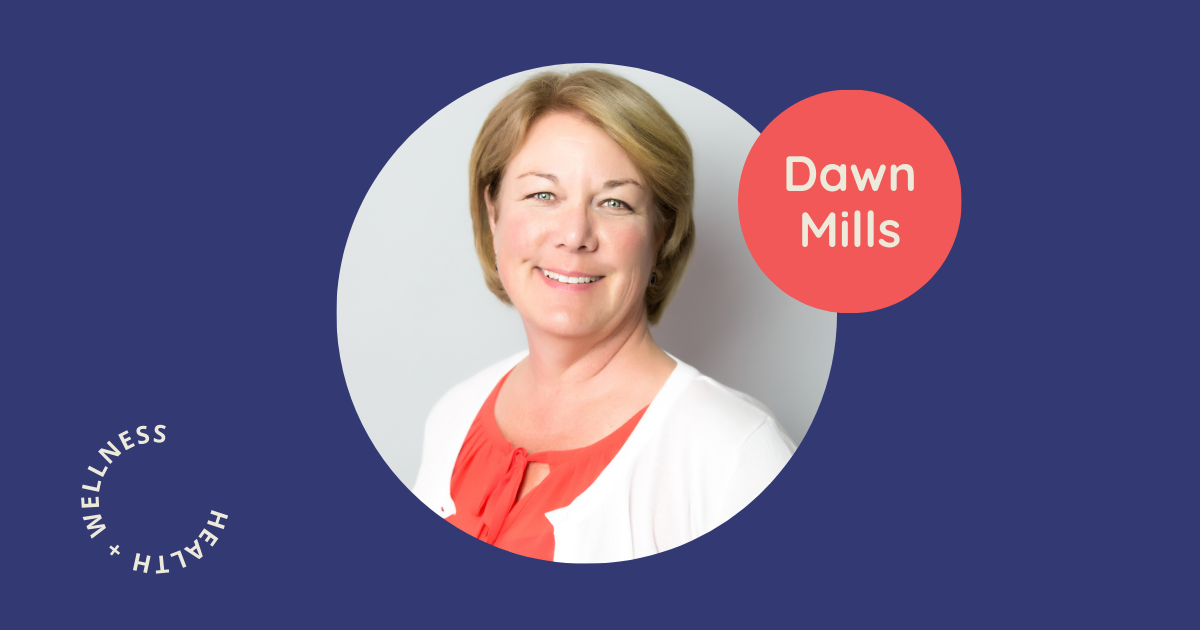
Dawn is an AFMC (Applied Functional Medicine Certified) Practitioner (https://afmccertification.com/)
She resides in Virginia and enjoys spending time with her 4 grown children and 13 grandchildren. Personal health challenges started her on a journey that led her to this field of study and ultimately coaching other people in addressing their own health challenges. She applies the principles of Functional Medicine, finding the root cause of a disease dynamic, to her coaching, educating her clients and helping them make the lifestyle changes necessary for addressing issues such as autoimmune disease, insulin resistance, hormone imbalance, gut health, and infertility.
Dawn provides one-on-one coaching, coaching groups and classes.
Feel free to reach out with questions – [email protected]
Subscribe for Updates
Sponsors




latest articles
April 21, 2026
Lake Anna Development Continues: Data Centers, Dominion Updates, Roundabout Plaza, New Golf Course & Phosphorus and Hydrilla Management Reports at the 2026 Lake Anna Summit

April 18, 2026
From Louisa County to Hospital Halls: How Virginia Poodles & Doodles Is Making a Broader Impact

April 15, 2026
Lake Anna Waterfront Property | Custom Lake Home for Sale | Lake Anna, VA

March 18, 2026
Puppy Culture, Playgrounds & Early Foundations: How Virginia Poodles & Doodles Raises Confident Companions [Sponsored]
![Featured image for “Puppy Culture, Playgrounds & Early Foundations: How Virginia Poodles & Doodles Raises Confident Companions [Sponsored]”](https://lakeanna.online/wp-content/uploads/2026/02/3-scaled.jpg)
March 2, 2026
The Lion’s Den 1837 Celebrates First Anniversary With Black Tie Evening of Fine Dining and Jazz

February 27, 2026
Five Decades of Innovation in Fishing, and Boating Sustainability at Lake Anna
Over several issues, The Breeze has explored how thyroid dysfunction can affect everything from energy levels and weight to mood and overall well-being. As we wrap up this series on thyroid health, it’s worth revisiting one key message: the thyroid plays a vital role in regulating many of the body’s most essential functions, and caring for it proactively can make a meaningful difference in long-term health.
The thyroid produces hormones that influence metabolism, energy, heart rate, and more. It’s not something most people think about—until something feels off. Taking steps now to support thyroid health can help prevent issues later.
It may come as no surprise that the thyroid, like every organ in the body, is made up of cells. Each organ has specialized cells with specific nutritional needs in order to function properly. Healthy cells support healthy organs.
For example, mitochondria—often called the “powerhouses” of the cell—are responsible for producing ATP, the body’s primary energy source. Cardiac muscle cells contain large numbers of mitochondria because they require significant energy, while red blood cells contain none. This is why heart-health supplements such as CoQ10 are often promoted—CoQ10 supports healthy mitochondrial function.
You’ve likely heard the phrase, “You are what you eat,” but it goes even further than that. You are what you eat, digest, and absorb into your cells. Every bite of food sends a message to your body at the cellular level, which makes nutrient-rich foods essential for thyroid health.
Several nutrients play a key role in proper thyroid function, including iodine, iron, magnesium, selenium, vitamin D, and zinc.
Iodine is often added to table salt, but this is not always the most effective way to absorb it. Iodine-rich foods include eggs, fish, raw dairy, sea vegetables, and strawberries. Kelp sprinkles are a flavorful source of iodine and can be used much like salt. They are especially good sprinkled on eggs, salads, or vegetables.
Iron: Beef, lamb, and liver are excellent sources of iron.
Magnesium: Dark leafy greens, nuts, and seeds provide healthy amounts of magnesium.
Selenium: Just two to three Brazil nuts per day provide sufficient selenium. These can be eaten on their own or added to smoothies or protein shakes.
Vitamin D: Fatty fish such as salmon and tuna are good sources of vitamin D. When purchasing tuna, look for mercury-free options.
Zinc: Shrimp, kidney beans, spinach, and flax seeds are all good sources of zinc.
A quick online search can provide additional food ideas rich in these nutrients.
While supplements such as magnesium, vitamin D, and zinc can be beneficial for some people, obtaining nutrients through food remains important. Whole foods provide nutrients in combination with other supportive compounds, allowing the body to absorb and use them more effectively. Supplements should enhance, not replace a nutrient-rich diet.
Iodine, iron, and selenium should not be taken as supplements without guidance from a health care provider.
If you have questions about thyroid health or would like to discuss concerns related to this series, you’re encouraged to reach out at [email protected].
Dawn is an AFMC (Applied Functional Medicine Certified) Practitioner (https://afmccertification.com/)
She resides in Virginia and enjoys spending time with her 4 grown children and 13 grandchildren. Personal health challenges started her on a journey that led her to this field of study and ultimately coaching other people in addressing their own health challenges. She applies the principles of Functional Medicine, finding the root cause of a disease dynamic, to her coaching, educating her clients and helping them make the lifestyle changes necessary for addressing issues such as autoimmune disease, insulin resistance, hormone imbalance, gut health, and infertility.
Dawn provides one-on-one coaching, coaching groups and classes.
Feel free to reach out with questions – [email protected]
Subscribe for Updates
Sponsors
latest articles
April 21, 2026
Lake Anna Development Continues: Data Centers, Dominion Updates, Roundabout Plaza, New Golf Course & Phosphorus and Hydrilla Management Reports at the 2026 Lake Anna Summit
April 18, 2026
From Louisa County to Hospital Halls: How Virginia Poodles & Doodles Is Making a Broader Impact
April 15, 2026
Lake Anna Waterfront Property | Custom Lake Home for Sale | Lake Anna, VA
March 18, 2026
Puppy Culture, Playgrounds & Early Foundations: How Virginia Poodles & Doodles Raises Confident Companions [Sponsored]
March 2, 2026
The Lion’s Den 1837 Celebrates First Anniversary With Black Tie Evening of Fine Dining and Jazz
February 27, 2026
Five Decades of Innovation in Fishing, and Boating Sustainability at Lake Anna
Spotsylvania Tourism Growth Outpaces Statewide Averages with 35% Surge Since 2019
SPOTSYLVANIA COUNTY, VA — Visitor spending in Spotsylvania County has soared nearly 35% since 2019, reflecting a strong rebound and…
Article By Jen Bailey
![Featured image for “[Spotsylvania] New Speed Enforcement in School Zones”](https://lakeanna.online/wp-content/uploads/2025/09/Blog-pic-scaled.jpg)
[Spotsylvania] New Speed Enforcement in School Zones
To curb speeding and improve student safety, Spotsylvania officials have announced the launch of an automated speed enforcement program in…
Article By Jen Bailey

Belmont Ruritan Clubs Award $26,000 in Scholarships to Local Seniors
Thirteen outstanding seniors from Louisa, Orange, and Spotsylvania counties were recognized Tuesday evening, June 3, as the Belmont Ruritan Club…