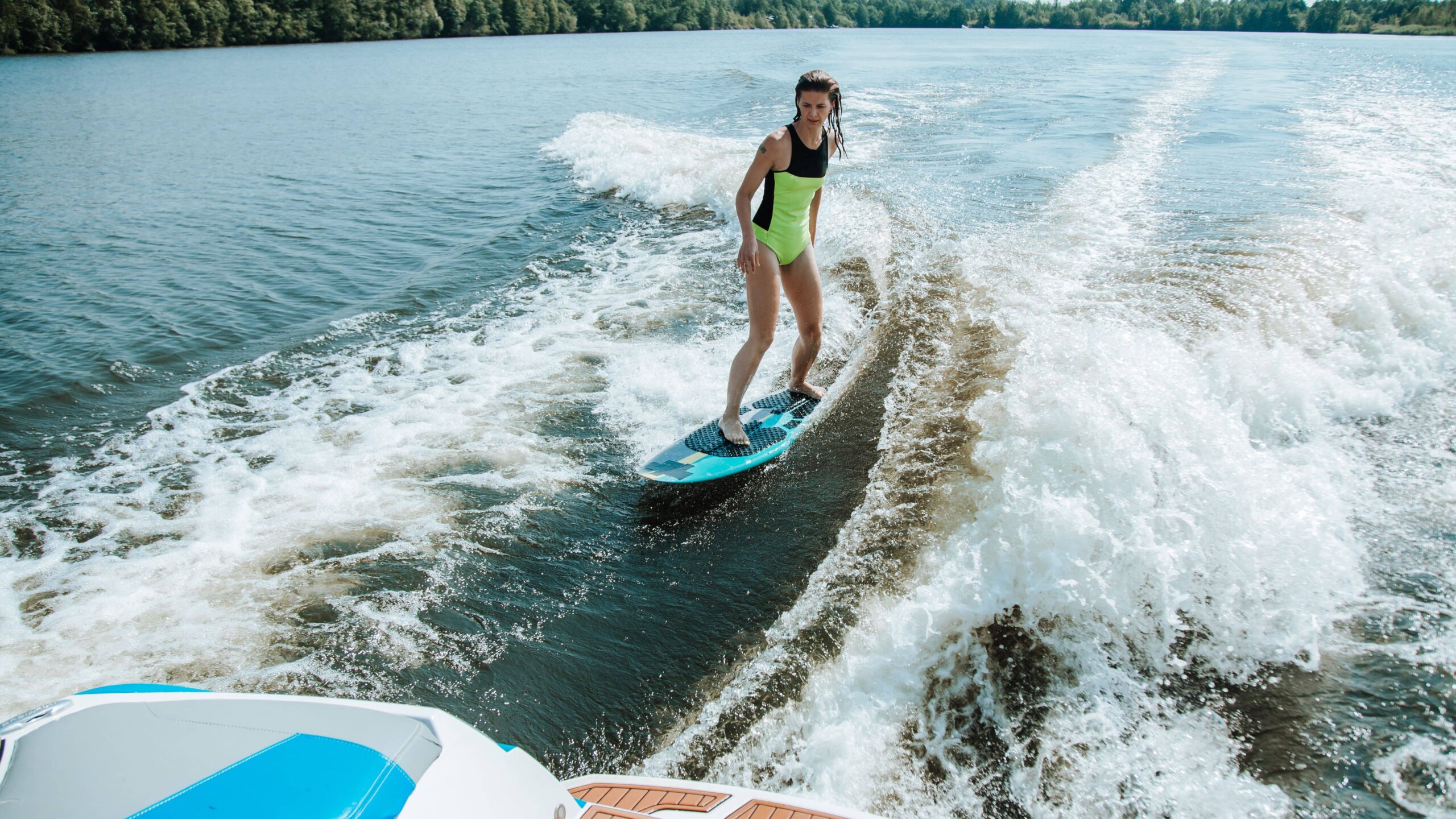
Wake boats are one of the hottest controversies on American lakes today, and Lake Anna is no different. With dozens of lakes moving to ban the fast-growing sport of wakesurfing, critics argue that the boats traumatize kayakers, damage fragile shorelines, and create safety hazards. Shoreline erosion has become a particularly pressing concern as wake boats, designed to generate large waves for surfing, have surged in popularity. The energy from these wakes can accelerate erosion along vulnerable sections of shoreline, raising alarms among waterfront property owners and environmental advocates.
In response, The Breeze has published two editorials, one for each side:
1: Wake Surfing Should Stay Open to All
2: No Wake Surf Zones are Backed by Science
Supporters of wakesurfing counter that it is among the safest watersports available, operating at slower speeds than skiing, tubing, or wakeboarding. They argue that boating rules are often ignored across the board, and that imposing new restrictions would only complicate enforcement while unfairly targeting one activity. Many also point out that limiting wakesurfing disrupts a way of life for athletes and families who enjoy the sport at home, while potentially affecting property values for both permanent residents and rental owners.
A recent community-wide survey conducted through the Wavemaker initiative shed light on how residents view these challenges as Lake Anna continues to grow. Organized by The Lake Anna Breeze, the survey gave both full- and part-time residents an opportunity to share their perspectives on quality-of-life issues around the lake.
While growth management, infrastructure, and development pressures topped the list of concerns, lake usage emerged as another key theme. According to the results, 17% of respondents cited issues tied directly to recreational activity on the water. These included shoreline erosion caused by wake boats, overcrowding, unsafe or inexperienced boaters, and noise pollution.
The survey’s findings reflect a broader debate at Lake Anna—how to balance recreational freedom with environmental stewardship and public safety. Some residents view wake boats and other high-energy activities as threats to property values and natural resources, while others insist that all watersports should be enjoyed equitably on a public lake.
At breakout sessions held during the Wavemaker event, residents engaged in thoughtful discussions on water safety and usage. Although opinions varied, many agreed that education—rather than additional regulations—would be the most effective way to improve safety.
As Lake Anna continues to grow in both popularity and population, the results of the Wavemaker survey make clear that the future of the lake depends on finding common ground between recreation, safety, and preservation.
Hi! I’m Jennifer Bailey and I partner with entrepreneurs who have massive ideas that could change the world. Most marketing is meaningless. Filled with empty promises, its only job is to bring in new traffic, new leads, and new customers. But I’ve drawn a line in the sand, and I’ve learned that marketing can do so much more than reach business goals and build profit. My methods give businesses the fire and soul they need to reach the right people, set the groundwork for sustainable relationships, and offer true value to the people on both the giving and receiving ends of marketing.
Subscribe for Updates
Sponsors




latest articles
April 21, 2026
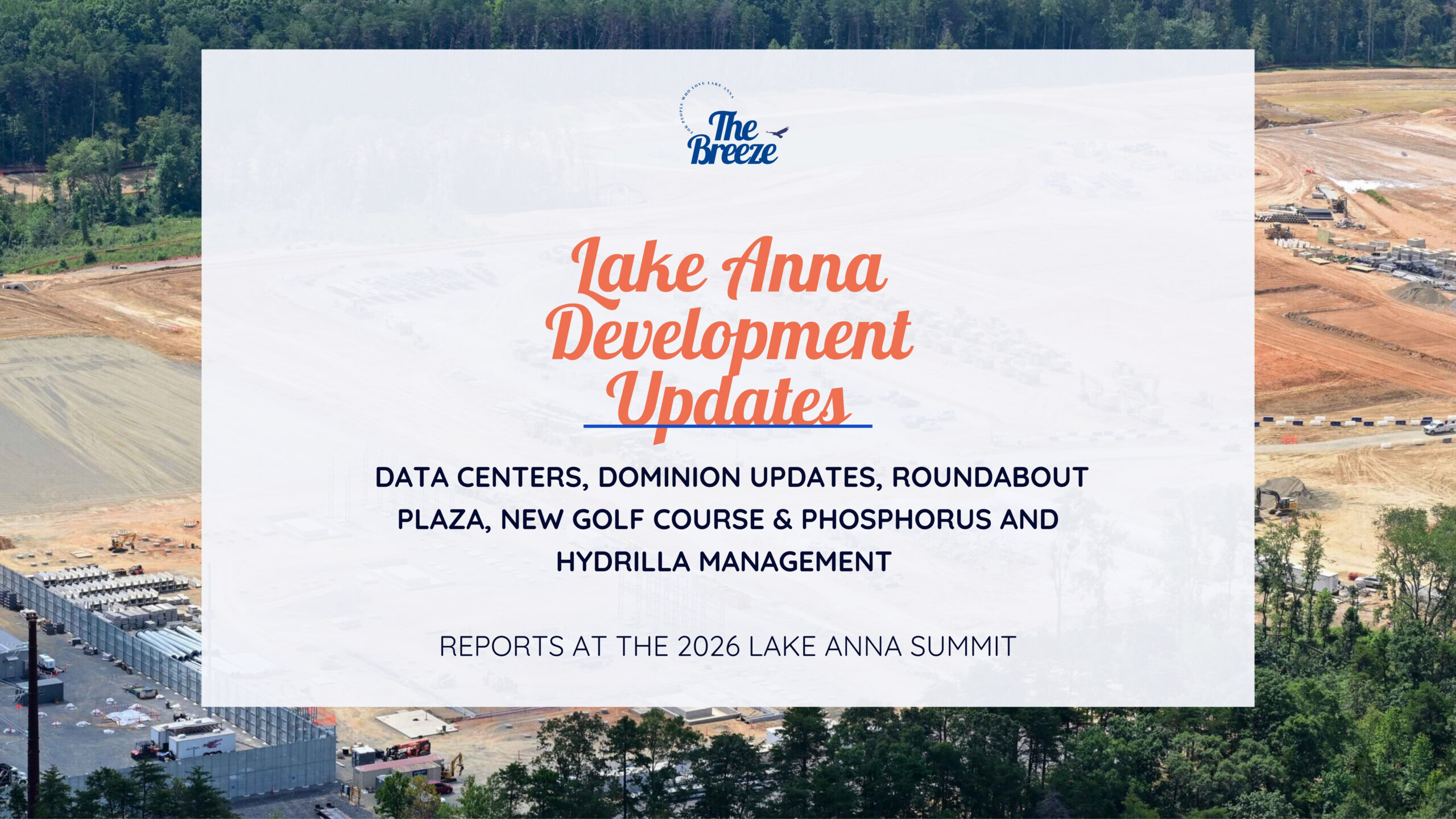
Lake Anna Development Continues: Data Centers, Dominion Updates, Roundabout Plaza, New Golf Course & Phosphorus and Hydrilla Management Reports at the 2026 Lake Anna Summit
April 18, 2026
From Louisa County to Hospital Halls: How Virginia Poodles & Doodles Is Making a Broader Impact

April 15, 2026
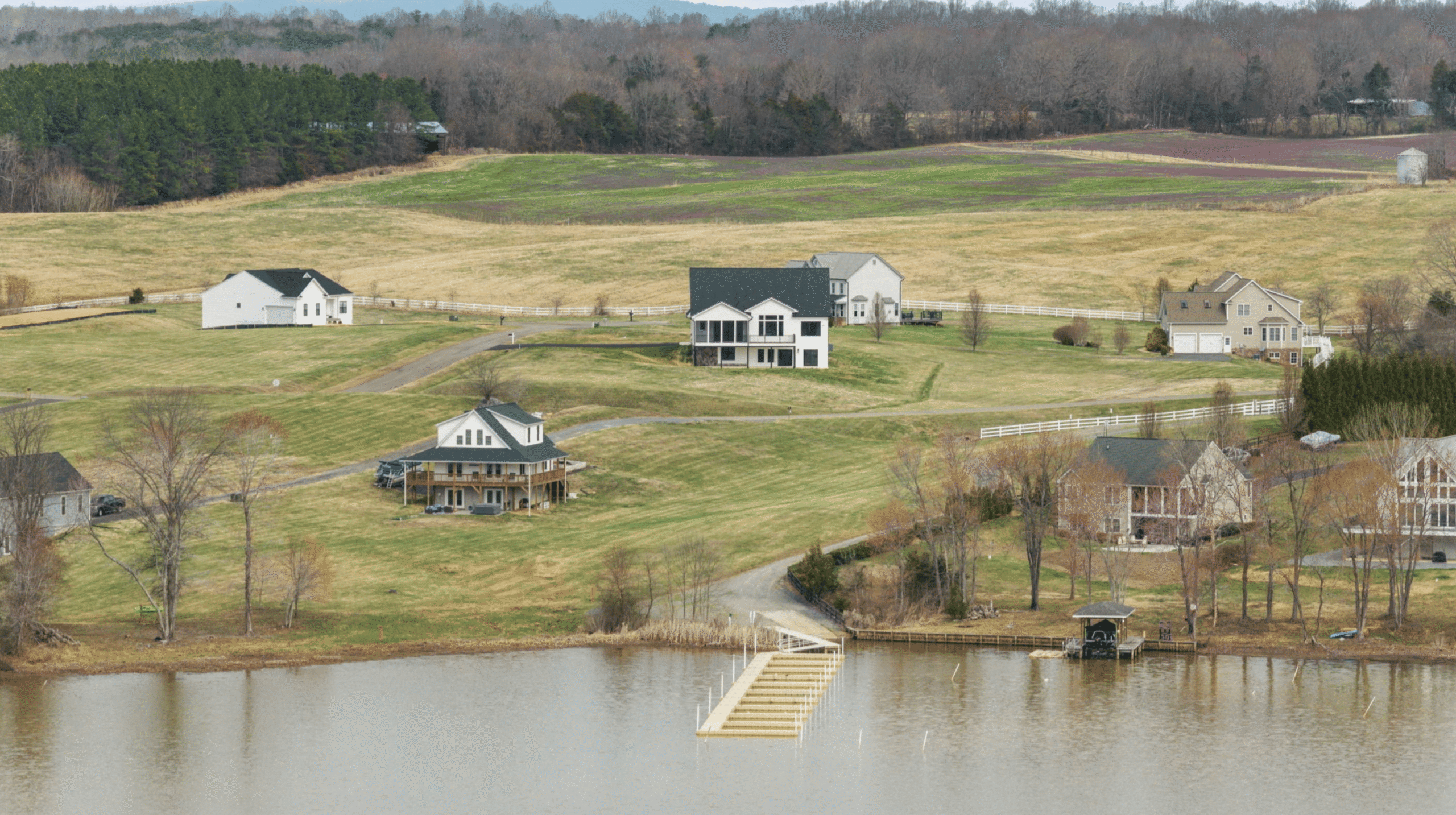
Lake Anna Waterfront Property | Custom Lake Home for Sale | Lake Anna, VA
March 18, 2026
Puppy Culture, Playgrounds & Early Foundations: How Virginia Poodles & Doodles Raises Confident Companions [Sponsored]
![Featured image for “Puppy Culture, Playgrounds & Early Foundations: How Virginia Poodles & Doodles Raises Confident Companions [Sponsored]”](https://lakeanna.online/wp-content/uploads/2026/02/3-scaled.jpg)
March 2, 2026
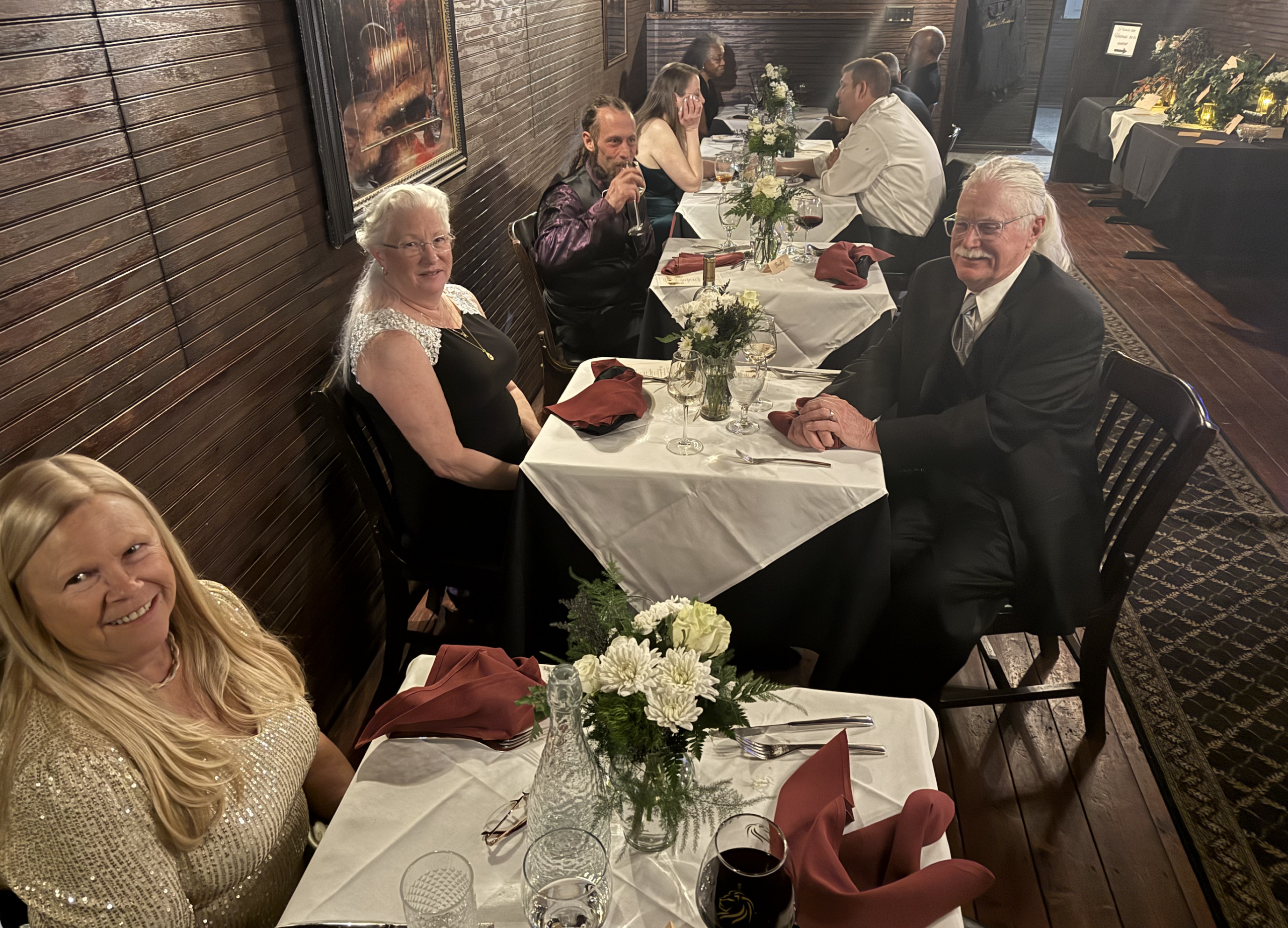
The Lion’s Den 1837 Celebrates First Anniversary With Black Tie Evening of Fine Dining and Jazz
February 27, 2026
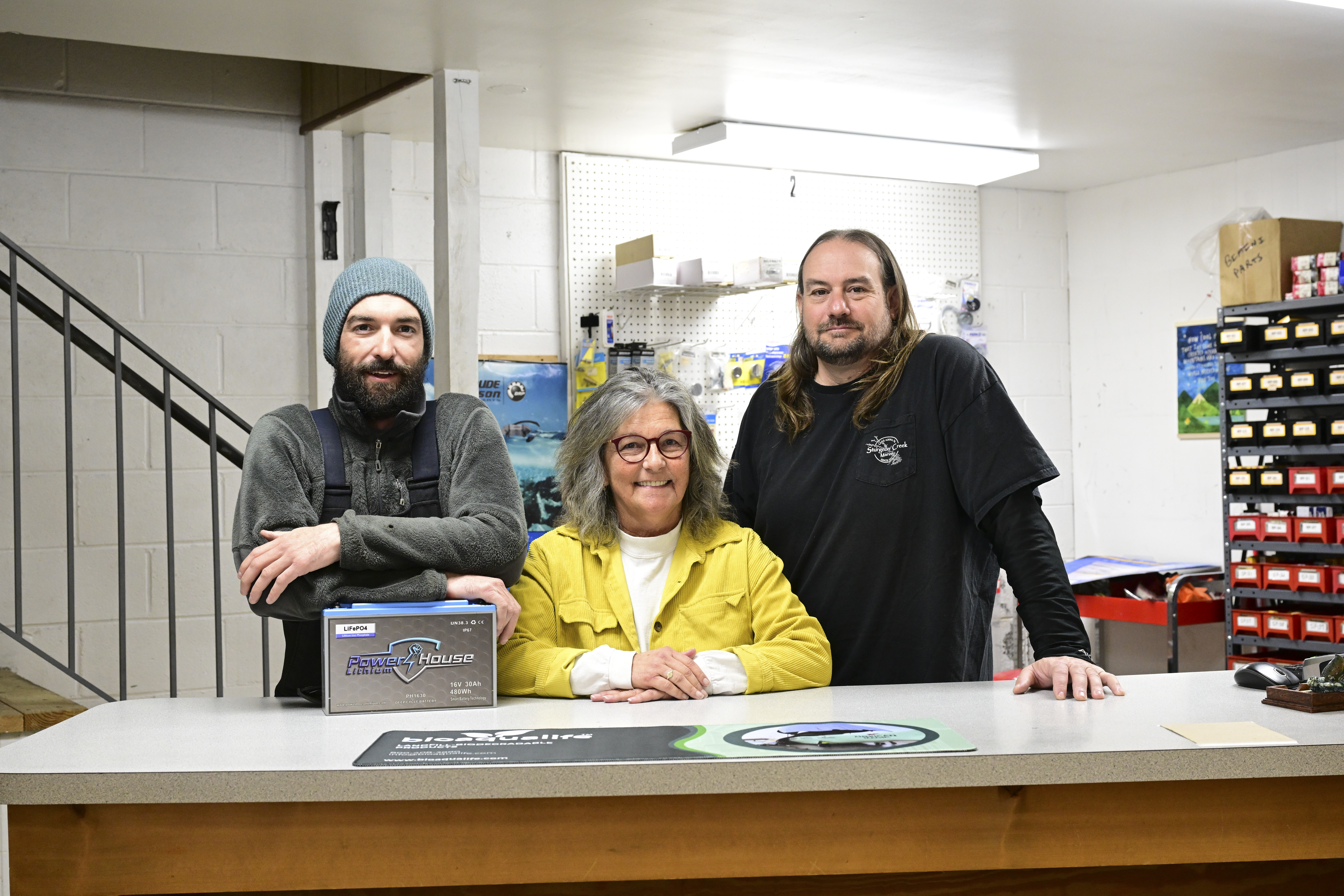
Five Decades of Innovation in Fishing, and Boating Sustainability at Lake Anna
Wake boats are one of the hottest controversies on American lakes today, and Lake Anna is no different. With dozens of lakes moving to ban the fast-growing sport of wakesurfing, critics argue that the boats traumatize kayakers, damage fragile shorelines, and create safety hazards. Shoreline erosion has become a particularly pressing concern as wake boats, designed to generate large waves for surfing, have surged in popularity. The energy from these wakes can accelerate erosion along vulnerable sections of shoreline, raising alarms among waterfront property owners and environmental advocates.
In response, The Breeze has published two editorials, one for each side:
1: Wake Surfing Should Stay Open to All
2: No Wake Surf Zones are Backed by Science
Supporters of wakesurfing counter that it is among the safest watersports available, operating at slower speeds than skiing, tubing, or wakeboarding. They argue that boating rules are often ignored across the board, and that imposing new restrictions would only complicate enforcement while unfairly targeting one activity. Many also point out that limiting wakesurfing disrupts a way of life for athletes and families who enjoy the sport at home, while potentially affecting property values for both permanent residents and rental owners.
A recent community-wide survey conducted through the Wavemaker initiative shed light on how residents view these challenges as Lake Anna continues to grow. Organized by The Lake Anna Breeze, the survey gave both full- and part-time residents an opportunity to share their perspectives on quality-of-life issues around the lake.
While growth management, infrastructure, and development pressures topped the list of concerns, lake usage emerged as another key theme. According to the results, 17% of respondents cited issues tied directly to recreational activity on the water. These included shoreline erosion caused by wake boats, overcrowding, unsafe or inexperienced boaters, and noise pollution.
The survey’s findings reflect a broader debate at Lake Anna—how to balance recreational freedom with environmental stewardship and public safety. Some residents view wake boats and other high-energy activities as threats to property values and natural resources, while others insist that all watersports should be enjoyed equitably on a public lake.
At breakout sessions held during the Wavemaker event, residents engaged in thoughtful discussions on water safety and usage. Although opinions varied, many agreed that education—rather than additional regulations—would be the most effective way to improve safety.
As Lake Anna continues to grow in both popularity and population, the results of the Wavemaker survey make clear that the future of the lake depends on finding common ground between recreation, safety, and preservation.
Hi! I’m Jennifer Bailey and I partner with entrepreneurs who have massive ideas that could change the world. Most marketing is meaningless. Filled with empty promises, its only job is to bring in new traffic, new leads, and new customers. But I’ve drawn a line in the sand, and I’ve learned that marketing can do so much more than reach business goals and build profit. My methods give businesses the fire and soul they need to reach the right people, set the groundwork for sustainable relationships, and offer true value to the people on both the giving and receiving ends of marketing.
Subscribe for Updates
Sponsors
latest articles
April 21, 2026
Lake Anna Development Continues: Data Centers, Dominion Updates, Roundabout Plaza, New Golf Course & Phosphorus and Hydrilla Management Reports at the 2026 Lake Anna Summit
April 18, 2026
From Louisa County to Hospital Halls: How Virginia Poodles & Doodles Is Making a Broader Impact
April 15, 2026
Lake Anna Waterfront Property | Custom Lake Home for Sale | Lake Anna, VA
March 18, 2026
Puppy Culture, Playgrounds & Early Foundations: How Virginia Poodles & Doodles Raises Confident Companions [Sponsored]
March 2, 2026
The Lion’s Den 1837 Celebrates First Anniversary With Black Tie Evening of Fine Dining and Jazz
February 27, 2026
Five Decades of Innovation in Fishing, and Boating Sustainability at Lake Anna
Spotsylvania Tourism Growth Outpaces Statewide Averages with 35% Surge Since 2019
SPOTSYLVANIA COUNTY, VA — Visitor spending in Spotsylvania County has soared nearly 35% since 2019, reflecting a strong rebound and…
Article By Jen Bailey
![Featured image for “[Spotsylvania] New Speed Enforcement in School Zones”](https://lakeanna.online/wp-content/uploads/2025/09/Blog-pic-scaled.jpg)
[Spotsylvania] New Speed Enforcement in School Zones
To curb speeding and improve student safety, Spotsylvania officials have announced the launch of an automated speed enforcement program in…
Article By Jen Bailey
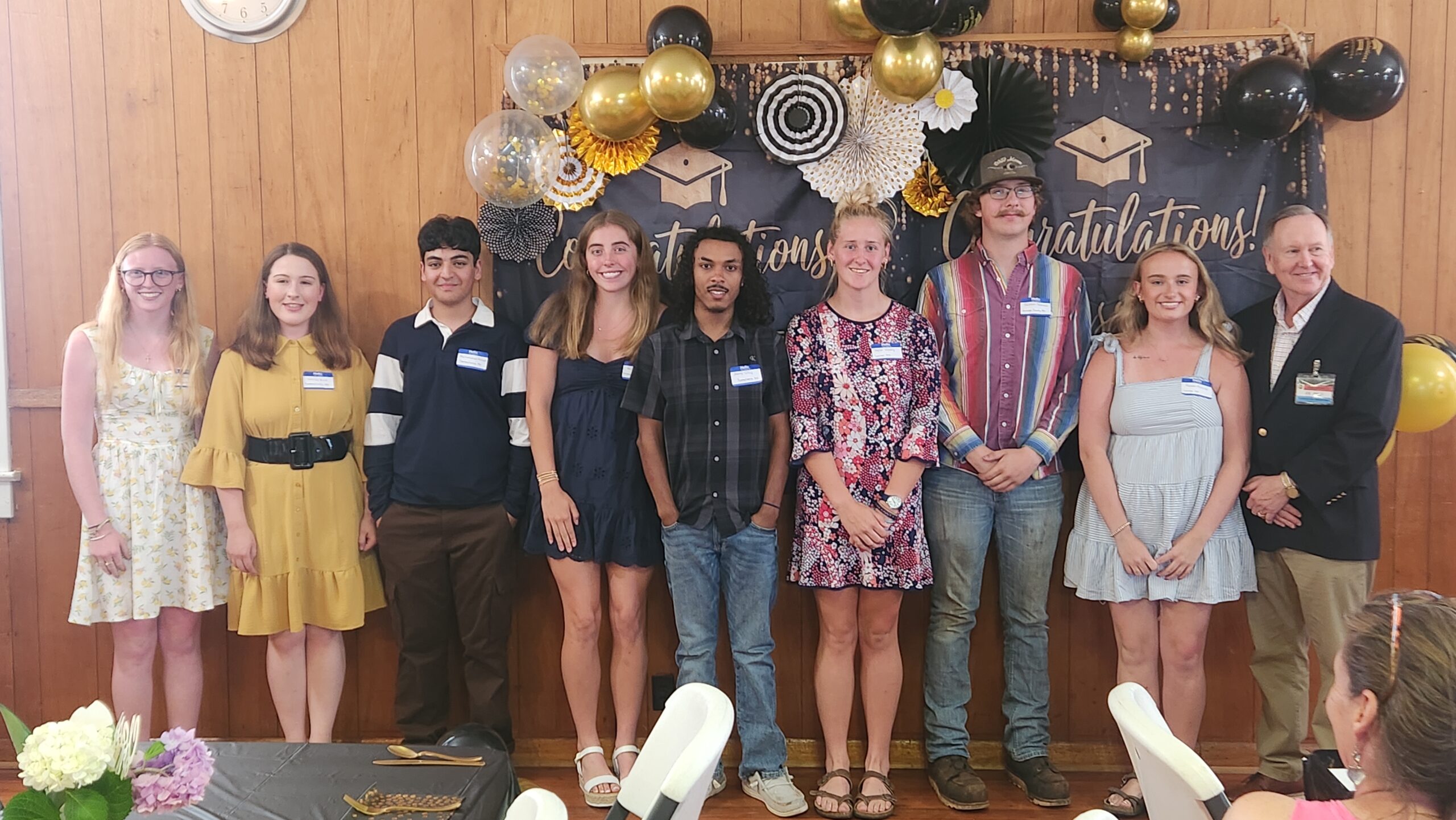
Belmont Ruritan Clubs Award $26,000 in Scholarships to Local Seniors
Thirteen outstanding seniors from Louisa, Orange, and Spotsylvania counties were recognized Tuesday evening, June 3, as the Belmont Ruritan Club…