By Greg Baker, President of the Lake Anna Civic Association
Lake Anna is a shared treasure. Families fish, paddle, ski, swim, and surf here. Homeowners invest their time and savings into caring for the shoreline. Visitors bring vitality to our local economy. The lake is not “owned” by any one group — it is a resource that must be shared, responsibly, by all.
That is why the No Wake Surfing Zones matter. These zones are not about excluding one activity; they are about balance. They protect areas of the lake where wake surfing simply doesn’t fit — shallow, narrow channels with crowded residential shorelines.
The Zones Are Legal and Legitimate
Some have suggested that the three No Wake Surfing Zones are unnecessary or confusing. Let’s be clear: these zones are legal navigational markers, installed with the approval of the Virginia Department of Wildlife Resources (DWR). They were recommended by the Lake Anna Advisory Committee (LAAC) and Spotsylvania County, following public input and deliberation. DWR reviewed those recommendations and authorized the buoys.
This was not a unilateral action — it was a transparent process reflecting science, safety, and community consensus.
Why They Exist
The fact is, wake surfing produces a very different kind of energy than traditional boating. Studies show that:
– Wake surfing generates waves four to seventeen times more powerful than other recreational boats.
– These wakes travel 500 to 1,000 feet before dissipating.
– Propeller wash from wake boats stirs sediment 15 to 33 feet deep, releasing phosphorus that fuels harmful algal blooms.
– The waves accelerate shoreline erosion, damage docks and bulkheads, and disrupt aquatic vegetation and fish habitats.
The three zones at Lake Anna are precisely the kinds of locations where wake surfing causes disproportionate harm — shallow, narrow channels with crowded residential shorelines. Without protections, the cost is borne by everyone: homeowners repairing docks and riprap, governments dealing with water quality, and families facing unsafe conditions.
Following the Science
The Lake Anna Civic Association (LACA) has adopted a policy based on decades of research. We recommend wake surfing only in:
– Water at least 20 feet deep, and
– At least 500 feet from shorelines.
This is not a radical stance. Vermont recently adopted a statewide rule requiring wake sports to be limited to designated “wake zones” at least 50 acres in size, 20 feet deep, and 500 feet from shore. Michigan DNR has issued similar recommendations after reviewing dozens of studies.
Even many in the wake surfing community recognize the need for limits. The group Lake Anna 4 All states its mission as preserving all watersports “through education and respect, with guidelines we can all live with.” And surfers themselves have acknowledged that 15–20 feet of depth is needed to create an appropriate surf wave. In short, both science and common sense support reasonable regulations.
What Our Community Wants
LACA represents more than 1,000 members across all three counties bordering Lake Anna. In our most recent survey, nearly 90% supported our policy of 500-foot setbacks and 20-foot depth requirements. This is a clear mandate from the people who live here, pay taxes, and depend on the lake.
The zones reflect that community will. They are not anti-recreation; they are pro-balance. They allow wake surfing where it fits, while protecting areas that cannot absorb that level of wave energy.
Answering the Opposition
Some argue education alone is enough. But just as speed limit signs don’t stop speeding in residential neighborhoods, education without enforceable boundaries does not prevent harm. That is why we set rules on the road — and why rules are needed on the water.
Others point to a 200-foot setback as “sufficient.” But this ignores science. These waves travel well beyond 200 feet. Even the wake sports industry has quietly acknowledged that 200 feet is not defensible. It is an attempt to enshrine into law a standard that falls short of protecting lakes like ours.
A Call for Stewardship
Lake Anna is at a crossroads. We can ignore science and community voices, or we can embrace balance and stewardship. The existing No Wake Surfing Zones are not about taking away fun. They are about ensuring that everyone — surfers, paddlers, homeowners, and anglers — can enjoy this lake safely, sustainably, and together.
The Lake Anna Civic Association supports keeping these zones in place. We also believe the time is right to consider whether more protections are needed. To that end, we welcome continued dialogue with the surfing community and are open to further discussions concerning the science behind our current position. Responsible compromise is how we ensure that Lake Anna remains safe, healthy, and enjoyable for all.
Lake Anna belongs to all of us. Let’s make sure it remains healthy, safe, and vibrant for generations to come.

Hi! I’m Jennifer Bailey and I partner with entrepreneurs who have massive ideas that could change the world. Most marketing is meaningless. Filled with empty promises, its only job is to bring in new traffic, new leads, and new customers. But I’ve drawn a line in the sand, and I’ve learned that marketing can do so much more than reach business goals and build profit. My methods give businesses the fire and soul they need to reach the right people, set the groundwork for sustainable relationships, and offer true value to the people on both the giving and receiving ends of marketing.
Subscribe for Updates
Sponsors




latest articles
April 21, 2026
Lake Anna Development Continues: Data Centers, Dominion Updates, Roundabout Plaza, New Golf Course & Phosphorus and Hydrilla Management Reports at the 2026 Lake Anna Summit

April 18, 2026
From Louisa County to Hospital Halls: How Virginia Poodles & Doodles Is Making a Broader Impact

April 15, 2026
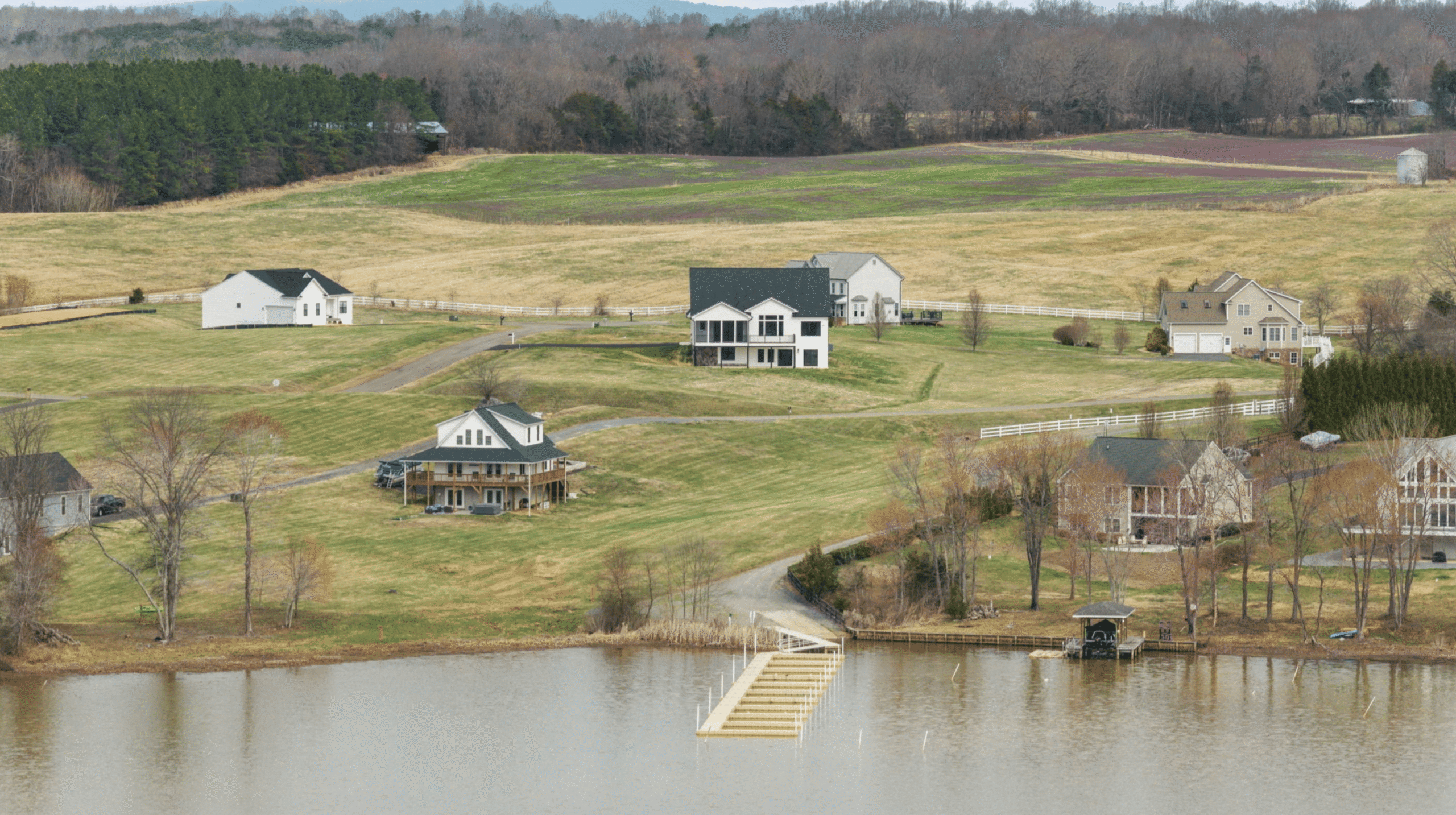
Lake Anna Waterfront Property | Custom Lake Home for Sale | Lake Anna, VA
March 18, 2026
Puppy Culture, Playgrounds & Early Foundations: How Virginia Poodles & Doodles Raises Confident Companions [Sponsored]
![Featured image for “Puppy Culture, Playgrounds & Early Foundations: How Virginia Poodles & Doodles Raises Confident Companions [Sponsored]”](https://lakeanna.online/wp-content/uploads/2026/02/3-scaled.jpg)
March 2, 2026
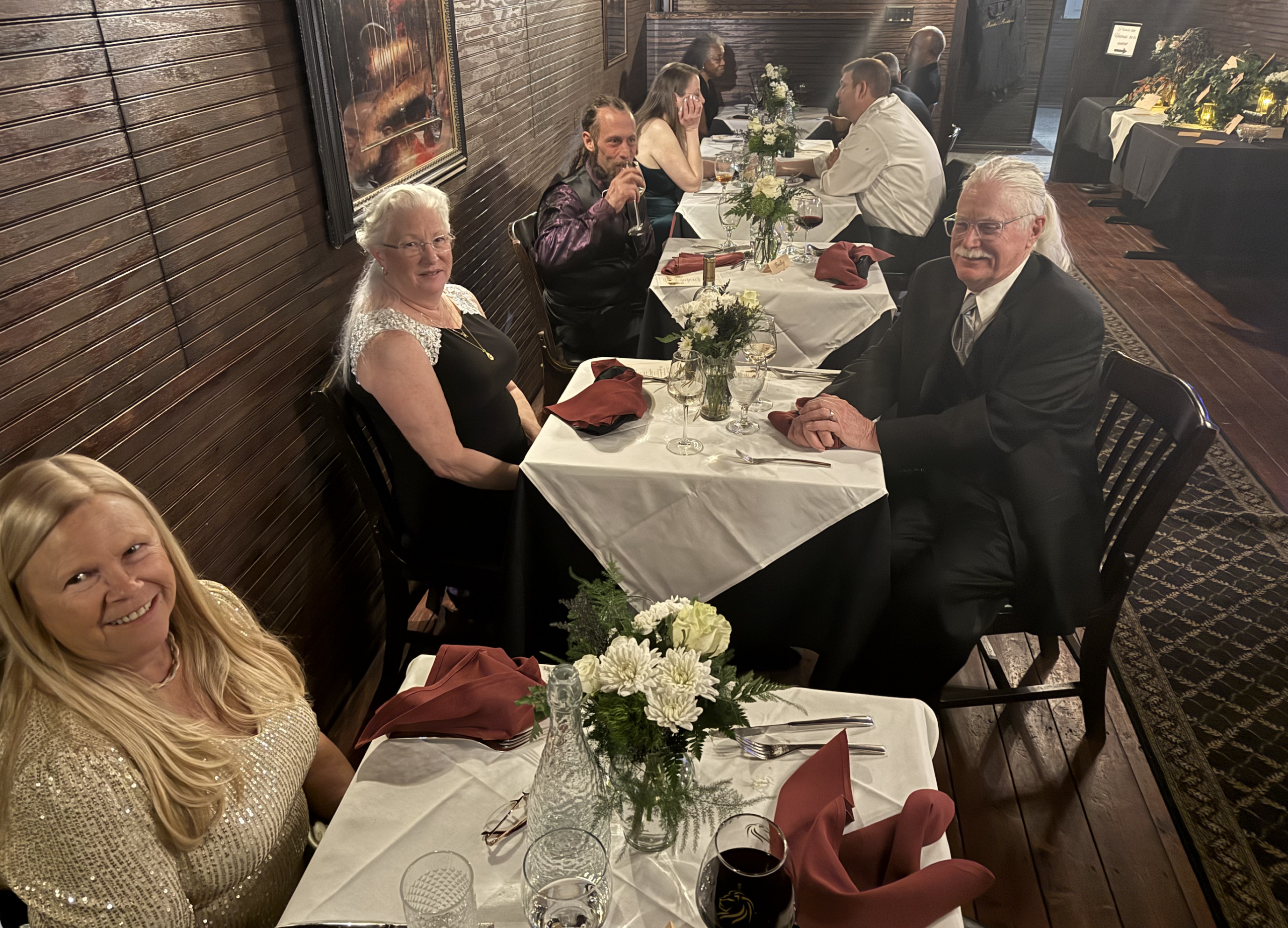
The Lion’s Den 1837 Celebrates First Anniversary With Black Tie Evening of Fine Dining and Jazz
February 27, 2026
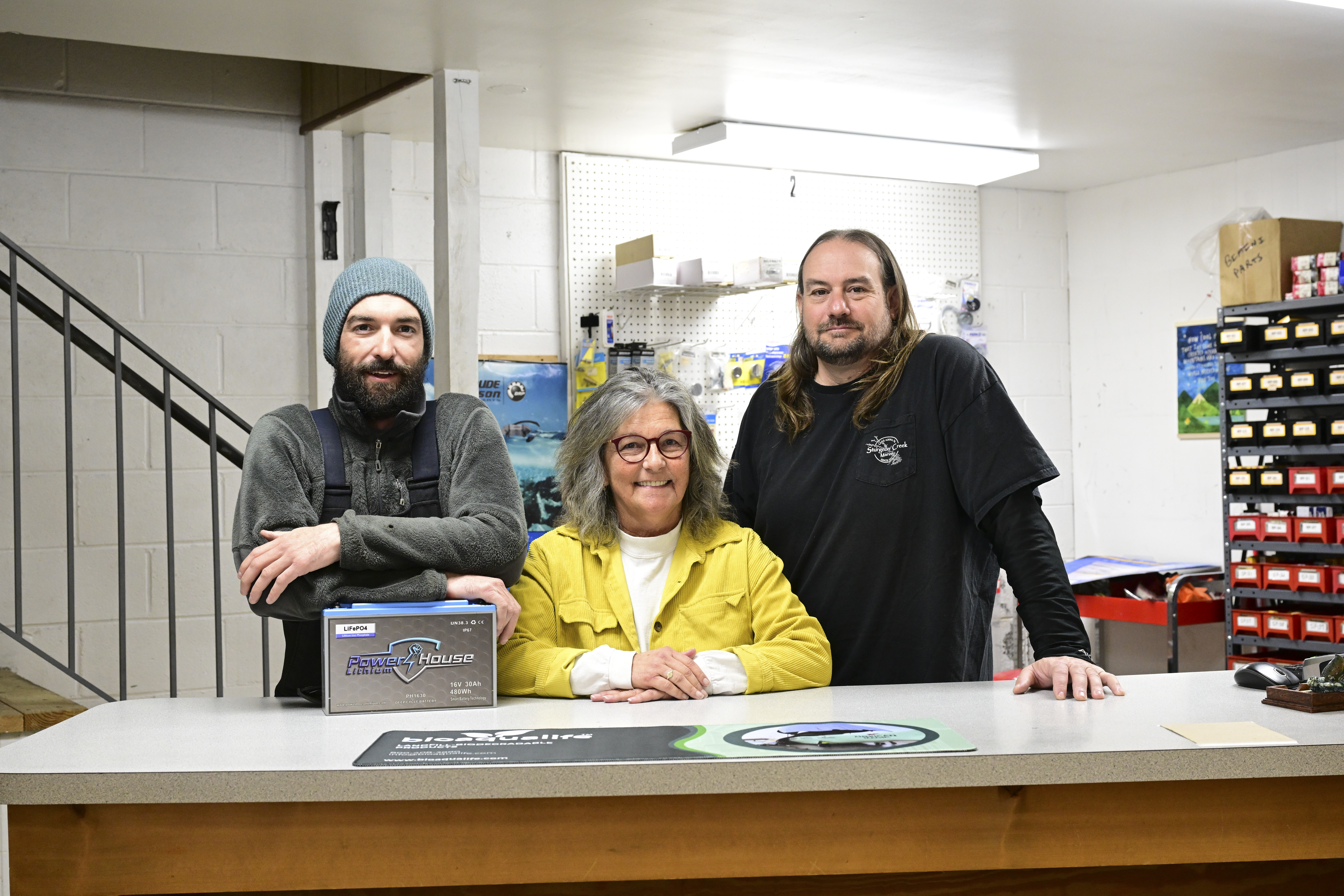
Five Decades of Innovation in Fishing, and Boating Sustainability at Lake Anna
By Greg Baker, President of the Lake Anna Civic Association
Lake Anna is a shared treasure. Families fish, paddle, ski, swim, and surf here. Homeowners invest their time and savings into caring for the shoreline. Visitors bring vitality to our local economy. The lake is not “owned” by any one group — it is a resource that must be shared, responsibly, by all.
That is why the No Wake Surfing Zones matter. These zones are not about excluding one activity; they are about balance. They protect areas of the lake where wake surfing simply doesn’t fit — shallow, narrow channels with crowded residential shorelines.
The Zones Are Legal and Legitimate
Some have suggested that the three No Wake Surfing Zones are unnecessary or confusing. Let’s be clear: these zones are legal navigational markers, installed with the approval of the Virginia Department of Wildlife Resources (DWR). They were recommended by the Lake Anna Advisory Committee (LAAC) and Spotsylvania County, following public input and deliberation. DWR reviewed those recommendations and authorized the buoys.
This was not a unilateral action — it was a transparent process reflecting science, safety, and community consensus.
Why They Exist
The fact is, wake surfing produces a very different kind of energy than traditional boating. Studies show that:
– Wake surfing generates waves four to seventeen times more powerful than other recreational boats.
– These wakes travel 500 to 1,000 feet before dissipating.
– Propeller wash from wake boats stirs sediment 15 to 33 feet deep, releasing phosphorus that fuels harmful algal blooms.
– The waves accelerate shoreline erosion, damage docks and bulkheads, and disrupt aquatic vegetation and fish habitats.
The three zones at Lake Anna are precisely the kinds of locations where wake surfing causes disproportionate harm — shallow, narrow channels with crowded residential shorelines. Without protections, the cost is borne by everyone: homeowners repairing docks and riprap, governments dealing with water quality, and families facing unsafe conditions.
Following the Science
The Lake Anna Civic Association (LACA) has adopted a policy based on decades of research. We recommend wake surfing only in:
– Water at least 20 feet deep, and
– At least 500 feet from shorelines.
This is not a radical stance. Vermont recently adopted a statewide rule requiring wake sports to be limited to designated “wake zones” at least 50 acres in size, 20 feet deep, and 500 feet from shore. Michigan DNR has issued similar recommendations after reviewing dozens of studies.
Even many in the wake surfing community recognize the need for limits. The group Lake Anna 4 All states its mission as preserving all watersports “through education and respect, with guidelines we can all live with.” And surfers themselves have acknowledged that 15–20 feet of depth is needed to create an appropriate surf wave. In short, both science and common sense support reasonable regulations.
What Our Community Wants
LACA represents more than 1,000 members across all three counties bordering Lake Anna. In our most recent survey, nearly 90% supported our policy of 500-foot setbacks and 20-foot depth requirements. This is a clear mandate from the people who live here, pay taxes, and depend on the lake.
The zones reflect that community will. They are not anti-recreation; they are pro-balance. They allow wake surfing where it fits, while protecting areas that cannot absorb that level of wave energy.
Answering the Opposition
Some argue education alone is enough. But just as speed limit signs don’t stop speeding in residential neighborhoods, education without enforceable boundaries does not prevent harm. That is why we set rules on the road — and why rules are needed on the water.
Others point to a 200-foot setback as “sufficient.” But this ignores science. These waves travel well beyond 200 feet. Even the wake sports industry has quietly acknowledged that 200 feet is not defensible. It is an attempt to enshrine into law a standard that falls short of protecting lakes like ours.
A Call for Stewardship
Lake Anna is at a crossroads. We can ignore science and community voices, or we can embrace balance and stewardship. The existing No Wake Surfing Zones are not about taking away fun. They are about ensuring that everyone — surfers, paddlers, homeowners, and anglers — can enjoy this lake safely, sustainably, and together.
The Lake Anna Civic Association supports keeping these zones in place. We also believe the time is right to consider whether more protections are needed. To that end, we welcome continued dialogue with the surfing community and are open to further discussions concerning the science behind our current position. Responsible compromise is how we ensure that Lake Anna remains safe, healthy, and enjoyable for all.
Lake Anna belongs to all of us. Let’s make sure it remains healthy, safe, and vibrant for generations to come.
Hi! I’m Jennifer Bailey and I partner with entrepreneurs who have massive ideas that could change the world. Most marketing is meaningless. Filled with empty promises, its only job is to bring in new traffic, new leads, and new customers. But I’ve drawn a line in the sand, and I’ve learned that marketing can do so much more than reach business goals and build profit. My methods give businesses the fire and soul they need to reach the right people, set the groundwork for sustainable relationships, and offer true value to the people on both the giving and receiving ends of marketing.
Subscribe for Updates
Sponsors
latest articles
April 21, 2026
Lake Anna Development Continues: Data Centers, Dominion Updates, Roundabout Plaza, New Golf Course & Phosphorus and Hydrilla Management Reports at the 2026 Lake Anna Summit
April 18, 2026
From Louisa County to Hospital Halls: How Virginia Poodles & Doodles Is Making a Broader Impact
April 15, 2026
Lake Anna Waterfront Property | Custom Lake Home for Sale | Lake Anna, VA
March 18, 2026
Puppy Culture, Playgrounds & Early Foundations: How Virginia Poodles & Doodles Raises Confident Companions [Sponsored]
March 2, 2026
The Lion’s Den 1837 Celebrates First Anniversary With Black Tie Evening of Fine Dining and Jazz
February 27, 2026
Five Decades of Innovation in Fishing, and Boating Sustainability at Lake Anna
Spotsylvania Tourism Growth Outpaces Statewide Averages with 35% Surge Since 2019
SPOTSYLVANIA COUNTY, VA — Visitor spending in Spotsylvania County has soared nearly 35% since 2019, reflecting a strong rebound and…
Article By Jen Bailey
![Featured image for “[Spotsylvania] New Speed Enforcement in School Zones”](https://lakeanna.online/wp-content/uploads/2025/09/Blog-pic-scaled.jpg)
[Spotsylvania] New Speed Enforcement in School Zones
To curb speeding and improve student safety, Spotsylvania officials have announced the launch of an automated speed enforcement program in…
Article By Jen Bailey

Belmont Ruritan Clubs Award $26,000 in Scholarships to Local Seniors
Thirteen outstanding seniors from Louisa, Orange, and Spotsylvania counties were recognized Tuesday evening, June 3, as the Belmont Ruritan Club…