
Written by Stacey Crosson, Sponsored by C-Space Counseling
Every couple, no matter their age or stage, eventually bumps into the same quiet question: How do we stay connected when life keeps shifting around us? This month is a perfect moment to remember that lasting relationships aren’t built on grand gestures alone, but on curiosity, intention, and emotional connection across the lifespan.
Newly married couples often ride a wave of excitement and discovery. This stage is easily fueled by curiosity—to know how your partner thinks, what he/she believes, what each other desires, etc. I still remember staying up for hours talking to my husband. These deep conversations created a solid foundation for our relationship. Marriage researcher Dr. John Gottman reminds us that strong relationships are built through small, daily “bids for connection”—turning toward each other instead of away. Newlyweds who prioritize time for play, laughter, and meaningful conversation establish a foundation that carries them forward when life becomes more demanding.
Couples with small children often find romance buried under laundry piles and sleepless nights. This season is less about deep conversations over candlelit dinners and more about teamwork. Gottman’s research shows that couples who view parenting as a shared mission—and who express appreciation for one another’s effort—stay more emotionally connected. As little as five minutes of intentional check-in can remind partners that they are more than co-parents; they are still each other’s person. I routinely tell couples I work with to share a 60-second hug at the end of each day to remind them we are on the same team.
Couples raising teenagers face a different challenge: navigating their child’s drive towards independence, conflicting emotions, and change on all sides. At this stage, it’s difficult for couples to experience curiosity because of the emotional demand of adolescence. But this is the exact season to wonder —Who is my partner becoming now? Who am I becoming? What new attributes do I see emerging in myself and in my spouse in this season? What can we do each day to connect more?
Empty nesters who are still working and caring for aging loved ones or mentoring their young adult children often experience emotional exhaustion. I’ve heard it described as the “sandwich years,” because couples face stress from helping adult children navigate life and caring for the end of life issues in their aging parents, squeezing the couple in the middle. This stage can be marked by disappointment or frustration. It’s important in this stage to make time for one another to rediscover shared dreams, hobbies, and meaning. Staying curious in this stage means asking, How can we make selfcare a daily priority? What do we want this next chapter to stand for? What hobbies could we explore together? John Gottman says, “Rituals of connection help couples stay emotionally connected and create a shared sense of meaning.” Couples who intentionally reconnect each day often find a deeper, steadier intimacy than ever before.
Retirement is often imagined as a long-awaited exhale— love is no longer held together by carpools, careers, or calendars. Yet for many couples, this chapter brings an unexpected question: Now that we have all this time together, who are we to each other now? Is it ok if I do different things? For retired couples, it’s important to have a healthy balance of time together and time apart. This means intentionally shaping daily life together—how mornings unfold, how time is spent, what rituals matter, and what gives life purpose and meaning now.
Across every stage, thriving relationships share common threads: curiosity, emotional connection, shared meaning, and the courage to keep choosing one another again and again.
Author Stacey Tasler Crosson, LMFT, is CEO and Clinical Director of CSpace Counseling + Coaching, located off of New Bridge Road at Lake Anna.

Hi! I’m Jennifer Bailey and I partner with entrepreneurs who have massive ideas that could change the world. Most marketing is meaningless. Filled with empty promises, its only job is to bring in new traffic, new leads, and new customers. But I’ve drawn a line in the sand, and I’ve learned that marketing can do so much more than reach business goals and build profit. My methods give businesses the fire and soul they need to reach the right people, set the groundwork for sustainable relationships, and offer true value to the people on both the giving and receiving ends of marketing.
Subscribe for Updates
Sponsors




latest articles
April 21, 2026
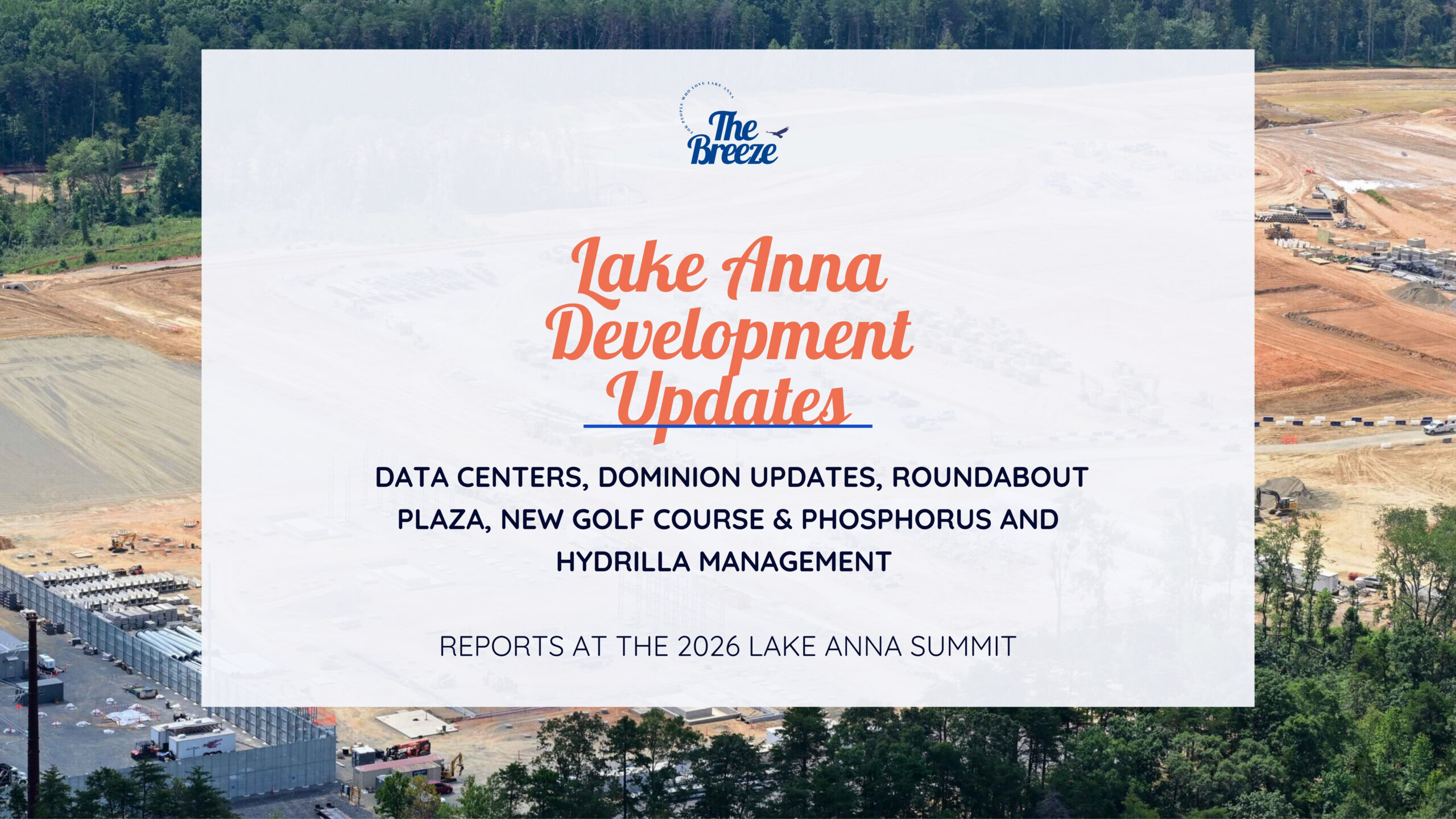
Lake Anna Development Continues: Data Centers, Dominion Updates, Roundabout Plaza, New Golf Course & Phosphorus and Hydrilla Management Reports at the 2026 Lake Anna Summit
April 18, 2026
From Louisa County to Hospital Halls: How Virginia Poodles & Doodles Is Making a Broader Impact

April 15, 2026
Lake Anna Waterfront Property | Custom Lake Home for Sale | Lake Anna, VA

March 18, 2026
Puppy Culture, Playgrounds & Early Foundations: How Virginia Poodles & Doodles Raises Confident Companions [Sponsored]
![Featured image for “Puppy Culture, Playgrounds & Early Foundations: How Virginia Poodles & Doodles Raises Confident Companions [Sponsored]”](https://lakeanna.online/wp-content/uploads/2026/02/3-scaled.jpg)
March 2, 2026
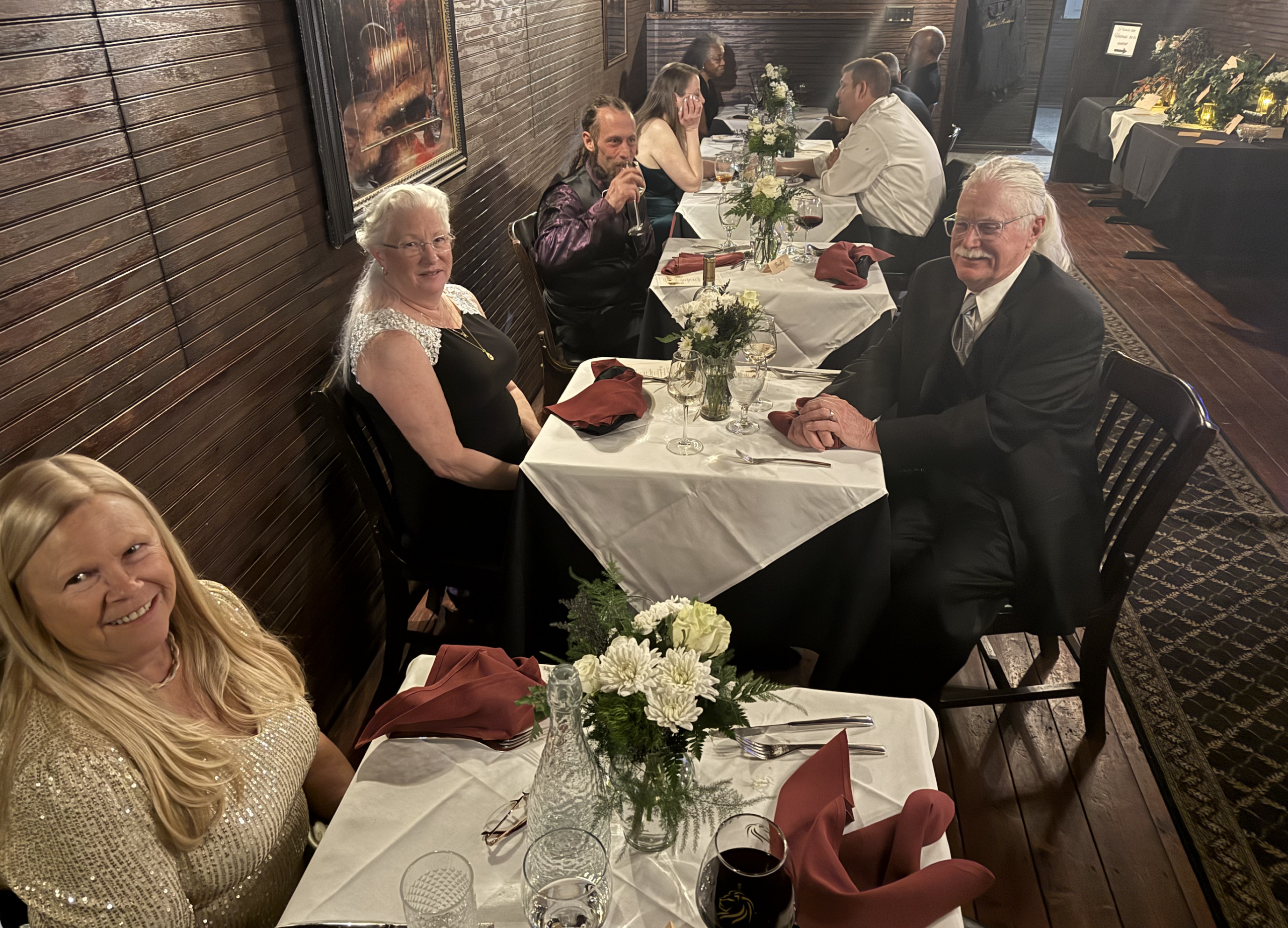
The Lion’s Den 1837 Celebrates First Anniversary With Black Tie Evening of Fine Dining and Jazz
February 27, 2026
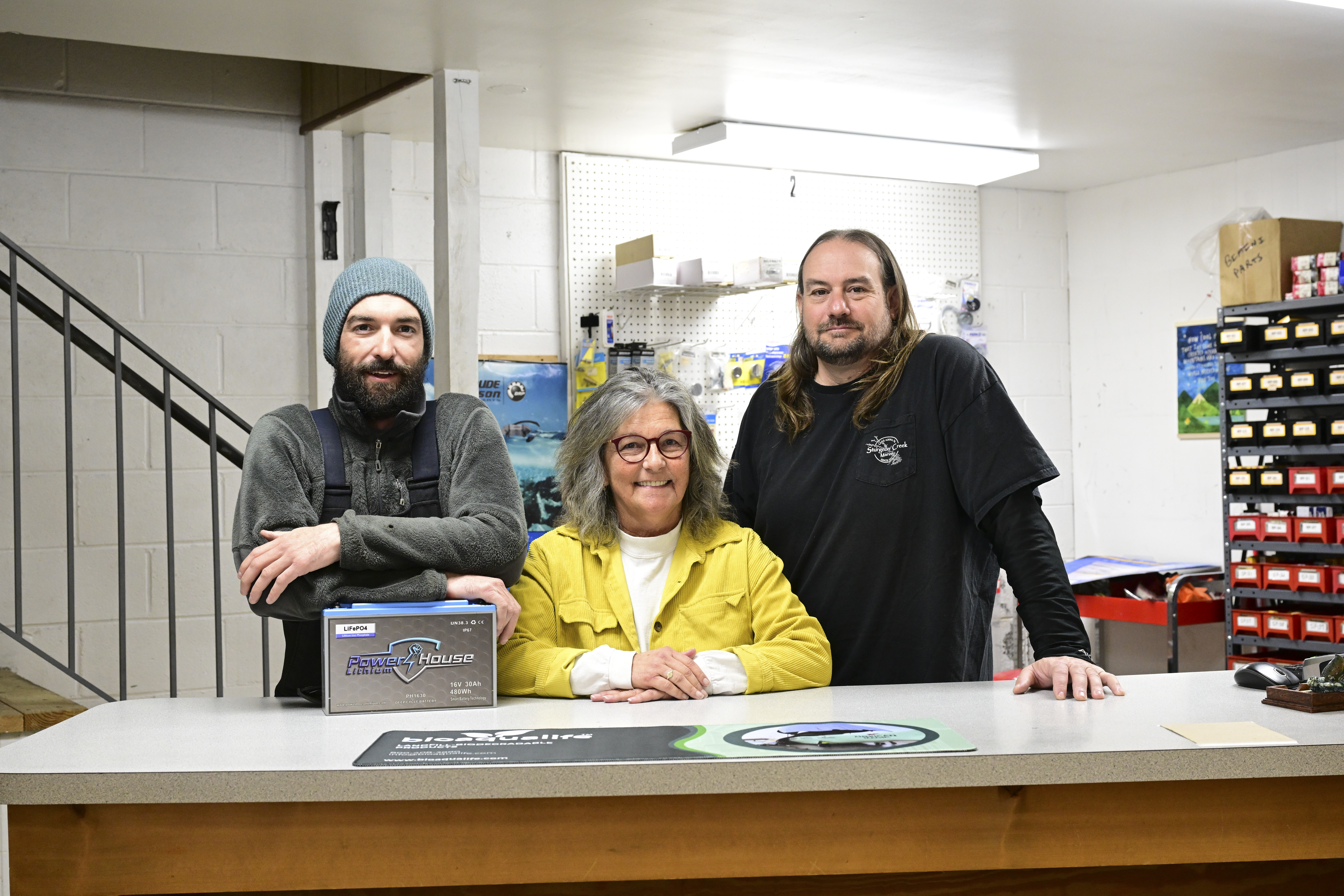
Five Decades of Innovation in Fishing, and Boating Sustainability at Lake Anna
Written by Stacey Crosson, Sponsored by C-Space Counseling
Every couple, no matter their age or stage, eventually bumps into the same quiet question: How do we stay connected when life keeps shifting around us? This month is a perfect moment to remember that lasting relationships aren’t built on grand gestures alone, but on curiosity, intention, and emotional connection across the lifespan.
Newly married couples often ride a wave of excitement and discovery. This stage is easily fueled by curiosity—to know how your partner thinks, what he/she believes, what each other desires, etc. I still remember staying up for hours talking to my husband. These deep conversations created a solid foundation for our relationship. Marriage researcher Dr. John Gottman reminds us that strong relationships are built through small, daily “bids for connection”—turning toward each other instead of away. Newlyweds who prioritize time for play, laughter, and meaningful conversation establish a foundation that carries them forward when life becomes more demanding.
Couples with small children often find romance buried under laundry piles and sleepless nights. This season is less about deep conversations over candlelit dinners and more about teamwork. Gottman’s research shows that couples who view parenting as a shared mission—and who express appreciation for one another’s effort—stay more emotionally connected. As little as five minutes of intentional check-in can remind partners that they are more than co-parents; they are still each other’s person. I routinely tell couples I work with to share a 60-second hug at the end of each day to remind them we are on the same team.
Couples raising teenagers face a different challenge: navigating their child’s drive towards independence, conflicting emotions, and change on all sides. At this stage, it’s difficult for couples to experience curiosity because of the emotional demand of adolescence. But this is the exact season to wonder —Who is my partner becoming now? Who am I becoming? What new attributes do I see emerging in myself and in my spouse in this season? What can we do each day to connect more?
Empty nesters who are still working and caring for aging loved ones or mentoring their young adult children often experience emotional exhaustion. I’ve heard it described as the “sandwich years,” because couples face stress from helping adult children navigate life and caring for the end of life issues in their aging parents, squeezing the couple in the middle. This stage can be marked by disappointment or frustration. It’s important in this stage to make time for one another to rediscover shared dreams, hobbies, and meaning. Staying curious in this stage means asking, How can we make selfcare a daily priority? What do we want this next chapter to stand for? What hobbies could we explore together? John Gottman says, “Rituals of connection help couples stay emotionally connected and create a shared sense of meaning.” Couples who intentionally reconnect each day often find a deeper, steadier intimacy than ever before.
Retirement is often imagined as a long-awaited exhale— love is no longer held together by carpools, careers, or calendars. Yet for many couples, this chapter brings an unexpected question: Now that we have all this time together, who are we to each other now? Is it ok if I do different things? For retired couples, it’s important to have a healthy balance of time together and time apart. This means intentionally shaping daily life together—how mornings unfold, how time is spent, what rituals matter, and what gives life purpose and meaning now.
Across every stage, thriving relationships share common threads: curiosity, emotional connection, shared meaning, and the courage to keep choosing one another again and again.
Author Stacey Tasler Crosson, LMFT, is CEO and Clinical Director of CSpace Counseling + Coaching, located off of New Bridge Road at Lake Anna.
Hi! I’m Jennifer Bailey and I partner with entrepreneurs who have massive ideas that could change the world. Most marketing is meaningless. Filled with empty promises, its only job is to bring in new traffic, new leads, and new customers. But I’ve drawn a line in the sand, and I’ve learned that marketing can do so much more than reach business goals and build profit. My methods give businesses the fire and soul they need to reach the right people, set the groundwork for sustainable relationships, and offer true value to the people on both the giving and receiving ends of marketing.
Subscribe for Updates
Sponsors
latest articles
April 21, 2026
Lake Anna Development Continues: Data Centers, Dominion Updates, Roundabout Plaza, New Golf Course & Phosphorus and Hydrilla Management Reports at the 2026 Lake Anna Summit
April 18, 2026
From Louisa County to Hospital Halls: How Virginia Poodles & Doodles Is Making a Broader Impact
April 15, 2026
Lake Anna Waterfront Property | Custom Lake Home for Sale | Lake Anna, VA
March 18, 2026
Puppy Culture, Playgrounds & Early Foundations: How Virginia Poodles & Doodles Raises Confident Companions [Sponsored]
March 2, 2026
The Lion’s Den 1837 Celebrates First Anniversary With Black Tie Evening of Fine Dining and Jazz
February 27, 2026
Five Decades of Innovation in Fishing, and Boating Sustainability at Lake Anna
Spotsylvania Tourism Growth Outpaces Statewide Averages with 35% Surge Since 2019
SPOTSYLVANIA COUNTY, VA — Visitor spending in Spotsylvania County has soared nearly 35% since 2019, reflecting a strong rebound and…
Article By Jen Bailey
![Featured image for “[Spotsylvania] New Speed Enforcement in School Zones”](https://lakeanna.online/wp-content/uploads/2025/09/Blog-pic-scaled.jpg)
[Spotsylvania] New Speed Enforcement in School Zones
To curb speeding and improve student safety, Spotsylvania officials have announced the launch of an automated speed enforcement program in…
Article By Jen Bailey
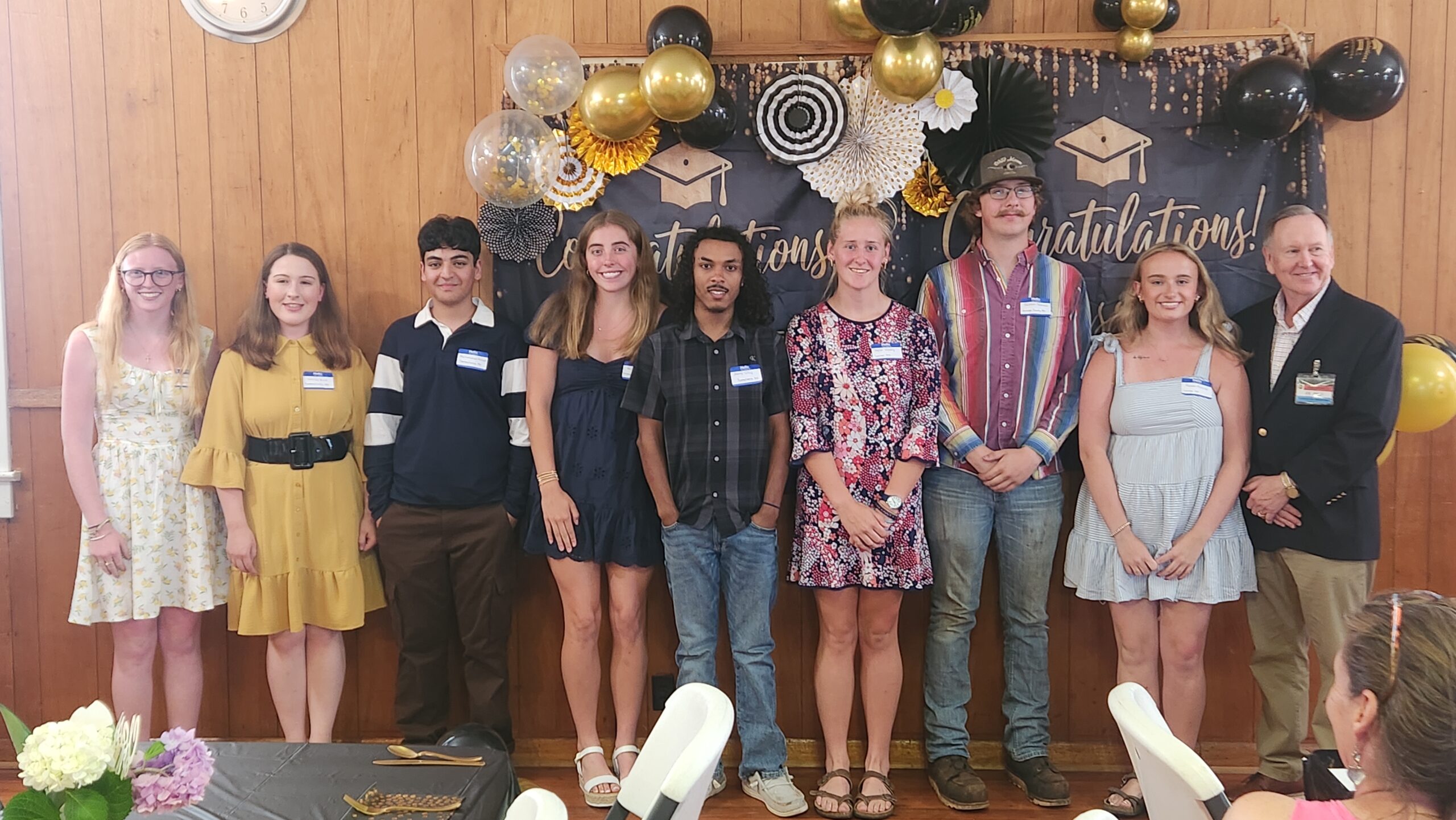
Belmont Ruritan Clubs Award $26,000 in Scholarships to Local Seniors
Thirteen outstanding seniors from Louisa, Orange, and Spotsylvania counties were recognized Tuesday evening, June 3, as the Belmont Ruritan Club…