

As temperatures drop and winter creeps in, lake homeowners have more than just holiday plans to think about. Whether you’re living at the lake year-round or closing up your vacation property for the season, November is the time to act. Even veteran homeowners can easily miss some of these recommended steps – especially if you’re leaving the home to sit vacant for a few months.
We spoke to a few local pros to gather the most essential tips to protect your lake home from winter damage — and make sure it’s ready to enjoy come spring.
Shut Down & Drain Outdoor Water Lines
Lake homes often have outdoor plumbing, docks, or boathouse water supplies that are vulnerable to freezing. “One frozen pipe can cost thousands in damage. Before the first hard freeze, make sure all outdoor water lines are shut off and drained and hoses are disconnected from hose bibs,” says Jerry Mayer, a local handyman who services homes at and around Lake Anna.
Service Your Heating System
It might seem unnecessary to maintain a furnace you won’t be using until spring, but pros say otherwise. “The off-season is actually the best time to get your furnace serviced,” says Mike Beachy, a licensed HVAC company owner. “We catch little issues now before they become major problems later.” If leaving the home vacant, set your thermostat to around 55°F to prevent freezing, and make sure someone local can check in occasionally during cold snaps. “If the furnace were to fail, temperatures inside the home could quickly drop below freezing, which then freezes any remaining water in the plumbing lines, causing potentially major water damage, mold growth and expensive repairs,” says Beachy, who has responded to these types of emergencies many times.
Secure Boats, Docks, and Watercraft
“We always say: if ice can touch it, it can wreck it,” says Doug MacDonald, who works for a local dock maintenance company. “Raise lifts and remove floating docks if possible, tie off loose items, and use covers that can withstand snow and wind.”
Unplug (Almost) Everything
“Unplug (or simply shut off breakers to) refrigerators, microwaves, and electronics, but keep essentials like sump pumps and alarm systems powered,” advises a local electrician, who wishes to be anonymously known as Captain Obvious. A word to the wise: “If you do plan to unplug refrigerators, be sure to prop doors open, otherwise, they turn into biohazard incubators, and may result in permanent damage… to your nose,” says Obvious.
Check Seals and Storm Windows
“Older lake homes especially tend to lose a lot of heat around windows and doors,” says Josh Wenger, owner of T&G Enterprise, a company who specializes in everything to do with the exterior of your home. “One of the simplest things you can do to help insulate your home is replace weather stripping or install temporary storm windows. This can save you serious money on heating,” Wenger reminds.
Critter-Proof Your Cabin
“It doesn’t take much — a hole the size of a dime is enough for a mouse,” warns Ryan Sullivan, owner of Helping Hands Pest Control. “Seal up entry points such as crawl spaces, check around your doors, pipes, vents, and your foundation. Use caulk or steel wool to block any gaps,” Sullivan advises. “It’s also not a bad idea to cap your chimney, store food in airtight containers, and reduce clutter – pests love hiding in quiet areas.”
Make a Checklist & Take Photos
Before locking up for the season, walk through the property with a checklist and snap photos for insurance purposes.
A little winter prep goes a long way toward preserving your piece of paradise. Take the time now to protect what you love, so when the ice melts and the water calls again, your lake home will be waiting—safe, sound, and ready to enjoy.

Tiffany Hazelwood has a degree in Journalism from the University of Richmond is a full-time Real Estate Broker with Lake Homes Realty, a lake-focused real estate firm, where she serves as the Anchor Agent for the Lake Anna market. She has been a licensed realtor since 2008 and has been specializing in real estate here at the lake since 2016. She has enjoyed writing the real estate section for the Lake Anna Breeze™ since 2019. In her spare time, Tiffany enjoys jet-skiing and boating on the lake, traveling with her husband, Tom, and time with their dogs.
Subscribe for Updates
Sponsors




latest articles
April 21, 2026
Lake Anna Development Continues: Data Centers, Dominion Updates, Roundabout Plaza, New Golf Course & Phosphorus and Hydrilla Management Reports at the 2026 Lake Anna Summit

April 18, 2026
From Louisa County to Hospital Halls: How Virginia Poodles & Doodles Is Making a Broader Impact

April 15, 2026
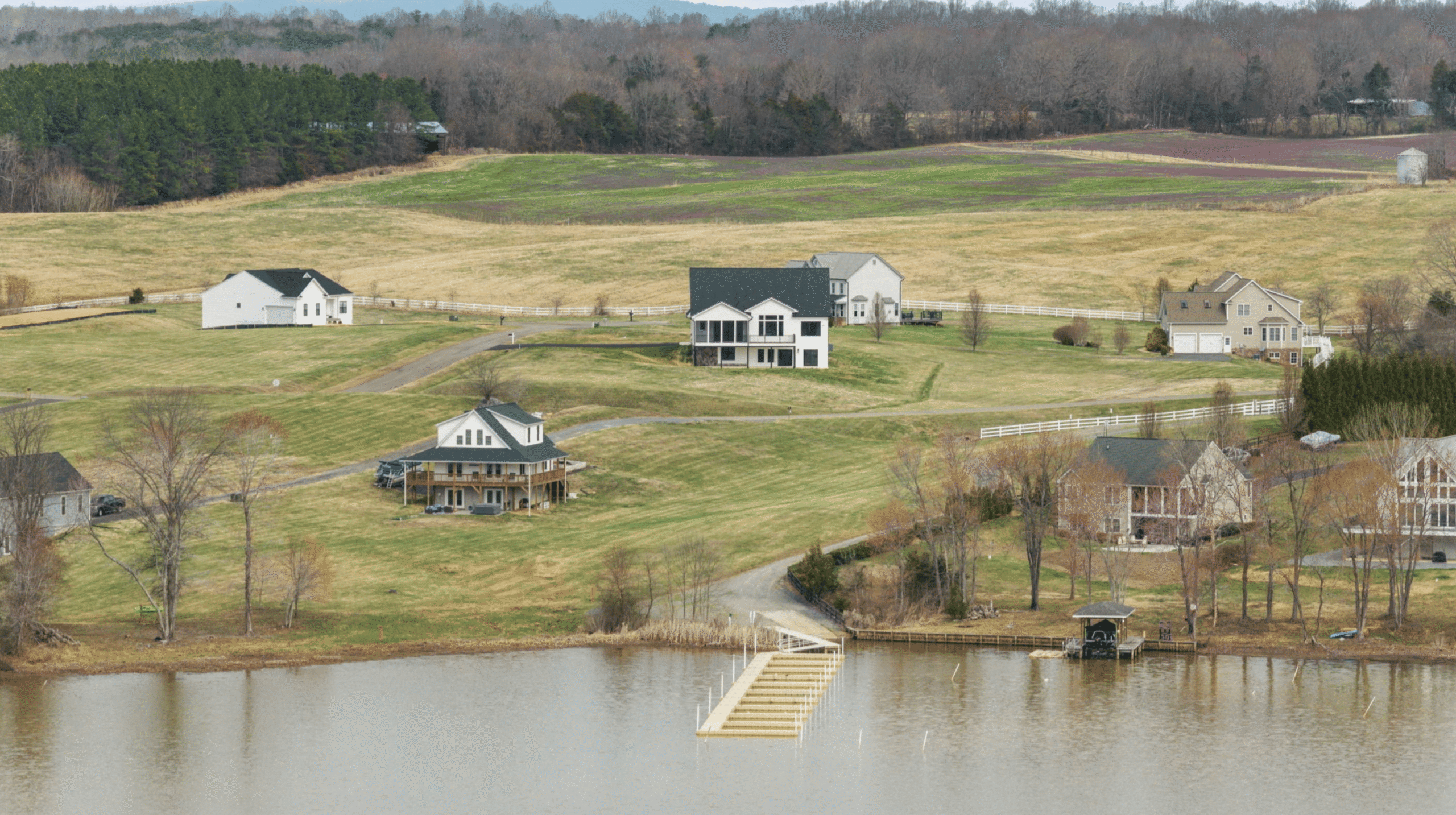
Lake Anna Waterfront Property | Custom Lake Home for Sale | Lake Anna, VA
March 18, 2026
Puppy Culture, Playgrounds & Early Foundations: How Virginia Poodles & Doodles Raises Confident Companions [Sponsored]
![Featured image for “Puppy Culture, Playgrounds & Early Foundations: How Virginia Poodles & Doodles Raises Confident Companions [Sponsored]”](https://lakeanna.online/wp-content/uploads/2026/02/3-scaled.jpg)
March 2, 2026
The Lion’s Den 1837 Celebrates First Anniversary With Black Tie Evening of Fine Dining and Jazz

February 27, 2026
Five Decades of Innovation in Fishing, and Boating Sustainability at Lake Anna
As temperatures drop and winter creeps in, lake homeowners have more than just holiday plans to think about. Whether you’re living at the lake year-round or closing up your vacation property for the season, November is the time to act. Even veteran homeowners can easily miss some of these recommended steps – especially if you’re leaving the home to sit vacant for a few months.
We spoke to a few local pros to gather the most essential tips to protect your lake home from winter damage — and make sure it’s ready to enjoy come spring.
Shut Down & Drain Outdoor Water Lines
Lake homes often have outdoor plumbing, docks, or boathouse water supplies that are vulnerable to freezing. “One frozen pipe can cost thousands in damage. Before the first hard freeze, make sure all outdoor water lines are shut off and drained and hoses are disconnected from hose bibs,” says Jerry Mayer, a local handyman who services homes at and around Lake Anna.
Service Your Heating System
It might seem unnecessary to maintain a furnace you won’t be using until spring, but pros say otherwise. “The off-season is actually the best time to get your furnace serviced,” says Mike Beachy, a licensed HVAC company owner. “We catch little issues now before they become major problems later.” If leaving the home vacant, set your thermostat to around 55°F to prevent freezing, and make sure someone local can check in occasionally during cold snaps. “If the furnace were to fail, temperatures inside the home could quickly drop below freezing, which then freezes any remaining water in the plumbing lines, causing potentially major water damage, mold growth and expensive repairs,” says Beachy, who has responded to these types of emergencies many times.
Secure Boats, Docks, and Watercraft
“We always say: if ice can touch it, it can wreck it,” says Doug MacDonald, who works for a local dock maintenance company. “Raise lifts and remove floating docks if possible, tie off loose items, and use covers that can withstand snow and wind.”
Unplug (Almost) Everything
“Unplug (or simply shut off breakers to) refrigerators, microwaves, and electronics, but keep essentials like sump pumps and alarm systems powered,” advises a local electrician, who wishes to be anonymously known as Captain Obvious. A word to the wise: “If you do plan to unplug refrigerators, be sure to prop doors open, otherwise, they turn into biohazard incubators, and may result in permanent damage… to your nose,” says Obvious.
Check Seals and Storm Windows
“Older lake homes especially tend to lose a lot of heat around windows and doors,” says Josh Wenger, owner of T&G Enterprise, a company who specializes in everything to do with the exterior of your home. “One of the simplest things you can do to help insulate your home is replace weather stripping or install temporary storm windows. This can save you serious money on heating,” Wenger reminds.
Critter-Proof Your Cabin
“It doesn’t take much — a hole the size of a dime is enough for a mouse,” warns Ryan Sullivan, owner of Helping Hands Pest Control. “Seal up entry points such as crawl spaces, check around your doors, pipes, vents, and your foundation. Use caulk or steel wool to block any gaps,” Sullivan advises. “It’s also not a bad idea to cap your chimney, store food in airtight containers, and reduce clutter – pests love hiding in quiet areas.”
Make a Checklist & Take Photos
Before locking up for the season, walk through the property with a checklist and snap photos for insurance purposes.
A little winter prep goes a long way toward preserving your piece of paradise. Take the time now to protect what you love, so when the ice melts and the water calls again, your lake home will be waiting—safe, sound, and ready to enjoy.
Tiffany Hazelwood has a degree in Journalism from the University of Richmond is a full-time Real Estate Broker with Lake Homes Realty, a lake-focused real estate firm, where she serves as the Anchor Agent for the Lake Anna market. She has been a licensed realtor since 2008 and has been specializing in real estate here at the lake since 2016. She has enjoyed writing the real estate section for the Lake Anna Breeze™ since 2019. In her spare time, Tiffany enjoys jet-skiing and boating on the lake, traveling with her husband, Tom, and time with their dogs.
Subscribe for Updates
Sponsors
latest articles
April 21, 2026
Lake Anna Development Continues: Data Centers, Dominion Updates, Roundabout Plaza, New Golf Course & Phosphorus and Hydrilla Management Reports at the 2026 Lake Anna Summit
April 18, 2026
From Louisa County to Hospital Halls: How Virginia Poodles & Doodles Is Making a Broader Impact
April 15, 2026
Lake Anna Waterfront Property | Custom Lake Home for Sale | Lake Anna, VA
March 18, 2026
Puppy Culture, Playgrounds & Early Foundations: How Virginia Poodles & Doodles Raises Confident Companions [Sponsored]
March 2, 2026
The Lion’s Den 1837 Celebrates First Anniversary With Black Tie Evening of Fine Dining and Jazz
February 27, 2026
Five Decades of Innovation in Fishing, and Boating Sustainability at Lake Anna
Spotsylvania Tourism Growth Outpaces Statewide Averages with 35% Surge Since 2019
SPOTSYLVANIA COUNTY, VA — Visitor spending in Spotsylvania County has soared nearly 35% since 2019, reflecting a strong rebound and…
Article By Jen Bailey
![Featured image for “[Spotsylvania] New Speed Enforcement in School Zones”](https://lakeanna.online/wp-content/uploads/2025/09/Blog-pic-scaled.jpg)
[Spotsylvania] New Speed Enforcement in School Zones
To curb speeding and improve student safety, Spotsylvania officials have announced the launch of an automated speed enforcement program in…
Article By Jen Bailey

Belmont Ruritan Clubs Award $26,000 in Scholarships to Local Seniors
Thirteen outstanding seniors from Louisa, Orange, and Spotsylvania counties were recognized Tuesday evening, June 3, as the Belmont Ruritan Club…