
Journalism is often a tiring and thankless job. I spoke with Tammy Purcell about this very issue when I interviewed her for a profile. She understands it even more than I do, given the sheer amount of time and energy she pours into covering local government. Tammy is incredibly dedicated, passionate, and intelligent, and we were honored to feature her.
But here’s the truth: journalism is not only exhausting, it’s also highly criticized and too often under-read. I learned that quickly after publishing my first few issues of The Breeze. I found myself under fire from local leaders, other publishers, and—most often—the community at large. One small mistake, and suddenly there’s a public scowl waiting on Facebook.
Over time, I’ve learned not to defend myself, but to keep going. Still, the most frustrating social media comments usually come from people who never actually read the article. They just react, spewing opinions without bothering to check the facts.
Every now and then, though, a comment feels personal. That was the case when I mistakenly left in a note from ChatGPT after using it to help clean up some data. My editor and I both missed it in the final review. You can see it yourself at the bottom of page 4 in the August issue of The Breeze. One reader called us “lazy” and claimed that AI writes our content.
Let’s be real: AI is a tool—a tremendous help to journalists who are overworked, underpaid (or unpaid), and stretched too thin to cover everything that deserves coverage. It doesn’t replace the reporting; it supports it.
The truth is, journalism has changed in a big way. Local papers like The Central Virginian have been bought out. Some communities, like Orange, have no local representation at all. Social media has filled the gap with echo chambers of misinformation and shallow news.
So don’t criticize your local news for using tools that make coverage possible. Instead, remember that independent media is essential to checks and balances in a democracy—and it may be the only way to keep hyper-local reporting alive in rural America.

Hi! I’m Jennifer Bailey and I partner with entrepreneurs who have massive ideas that could change the world. Most marketing is meaningless. Filled with empty promises, its only job is to bring in new traffic, new leads, and new customers. But I’ve drawn a line in the sand, and I’ve learned that marketing can do so much more than reach business goals and build profit. My methods give businesses the fire and soul they need to reach the right people, set the groundwork for sustainable relationships, and offer true value to the people on both the giving and receiving ends of marketing.
Subscribe for Updates
Sponsors




latest articles
April 21, 2026
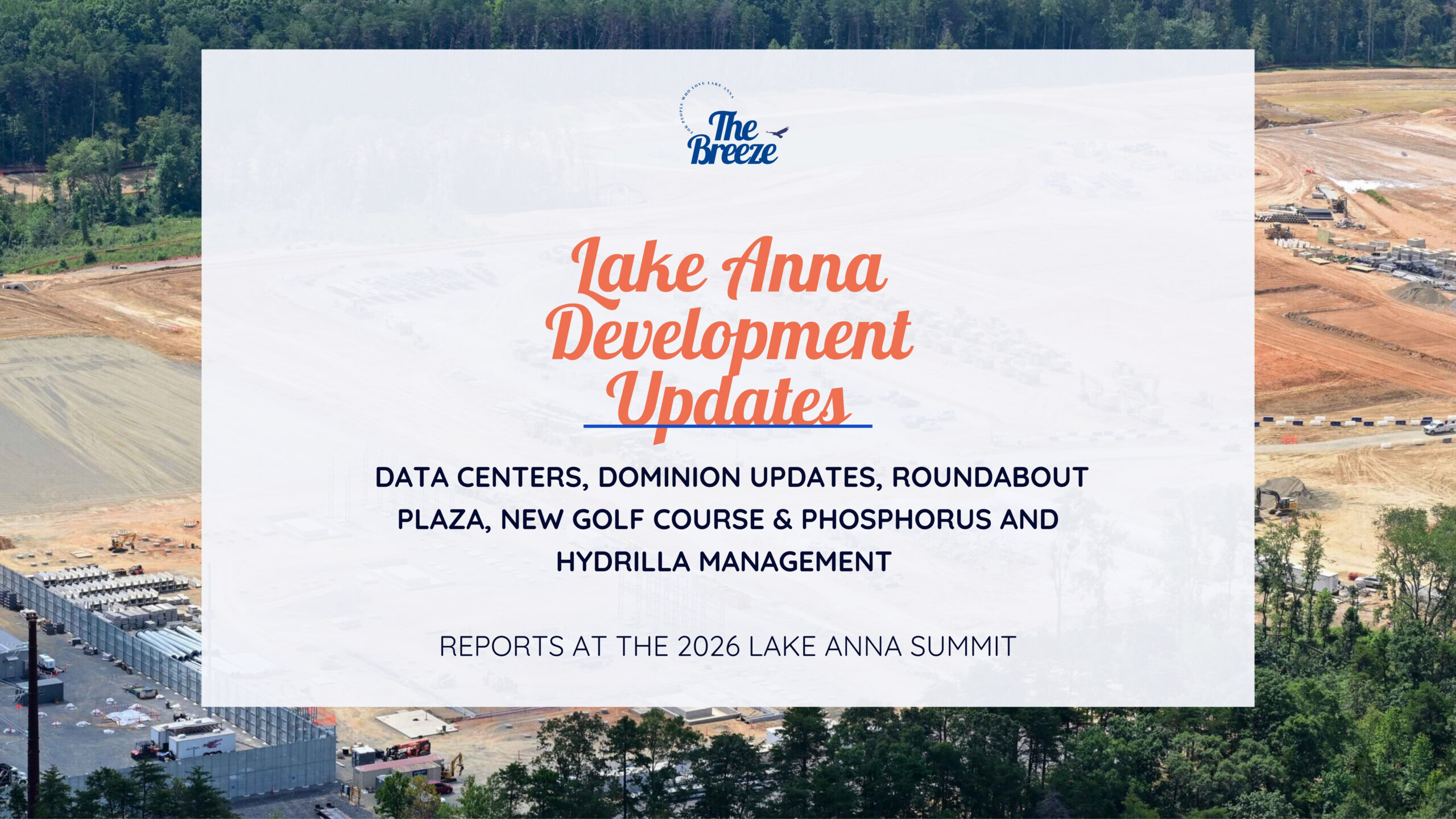
Lake Anna Development Continues: Data Centers, Dominion Updates, Roundabout Plaza, New Golf Course & Phosphorus and Hydrilla Management Reports at the 2026 Lake Anna Summit
April 18, 2026
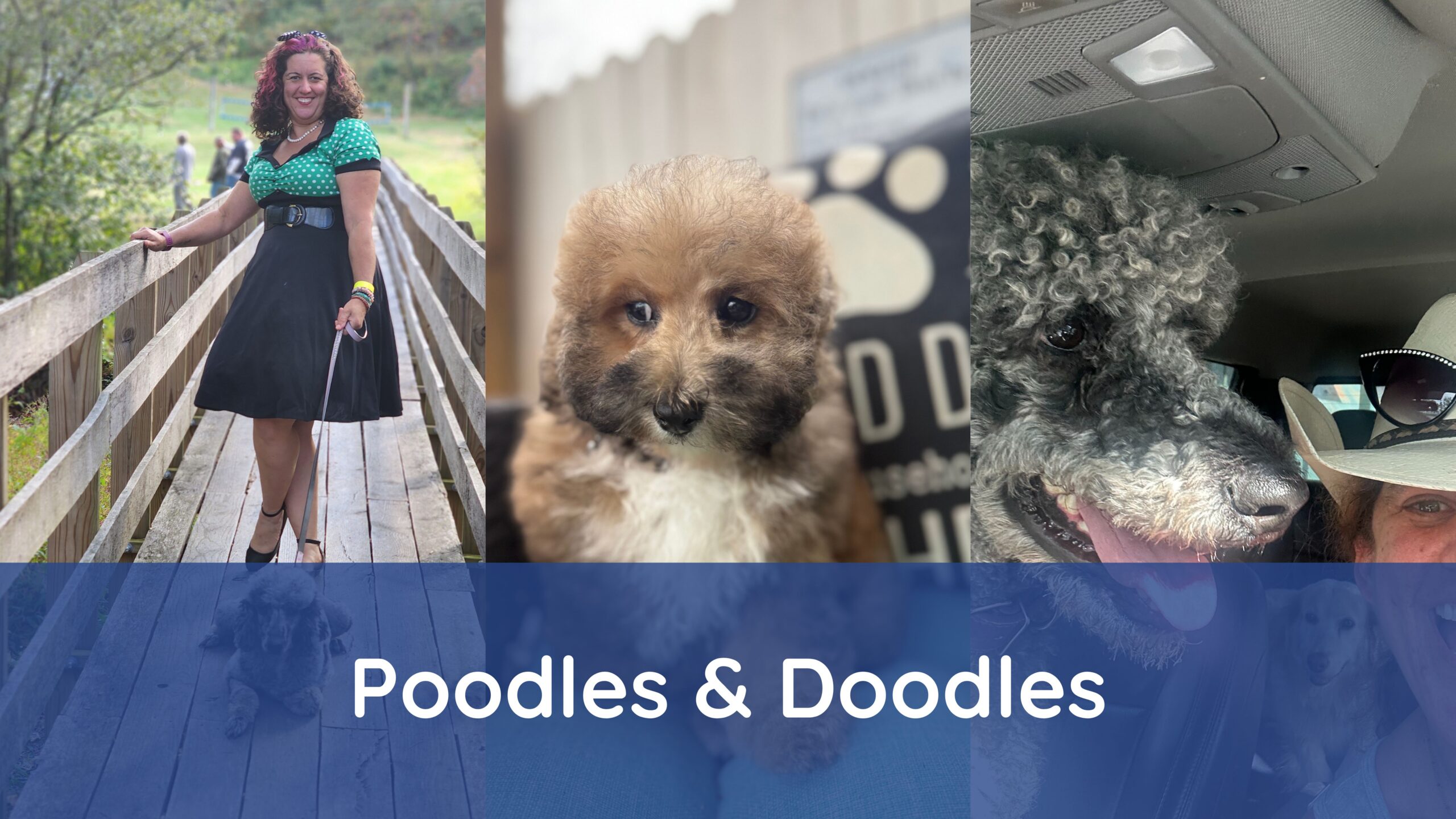
From Louisa County to Hospital Halls: How Virginia Poodles & Doodles Is Making a Broader Impact
April 15, 2026
Lake Anna Waterfront Property | Custom Lake Home for Sale | Lake Anna, VA

March 18, 2026
Puppy Culture, Playgrounds & Early Foundations: How Virginia Poodles & Doodles Raises Confident Companions [Sponsored]
![Featured image for “Puppy Culture, Playgrounds & Early Foundations: How Virginia Poodles & Doodles Raises Confident Companions [Sponsored]”](https://lakeanna.online/wp-content/uploads/2026/02/3-scaled.jpg)
March 2, 2026
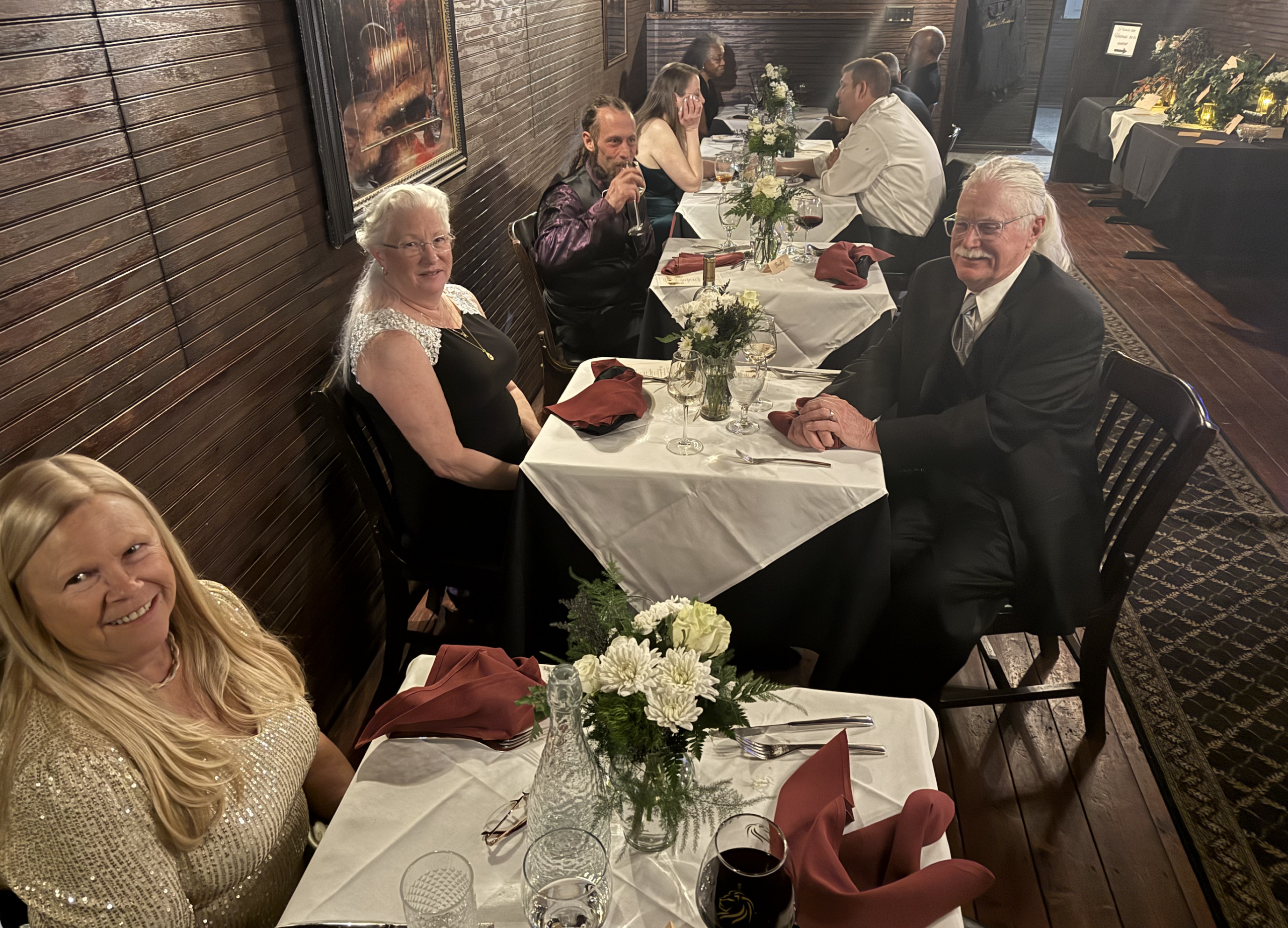
The Lion’s Den 1837 Celebrates First Anniversary With Black Tie Evening of Fine Dining and Jazz
February 27, 2026
Five Decades of Innovation in Fishing, and Boating Sustainability at Lake Anna
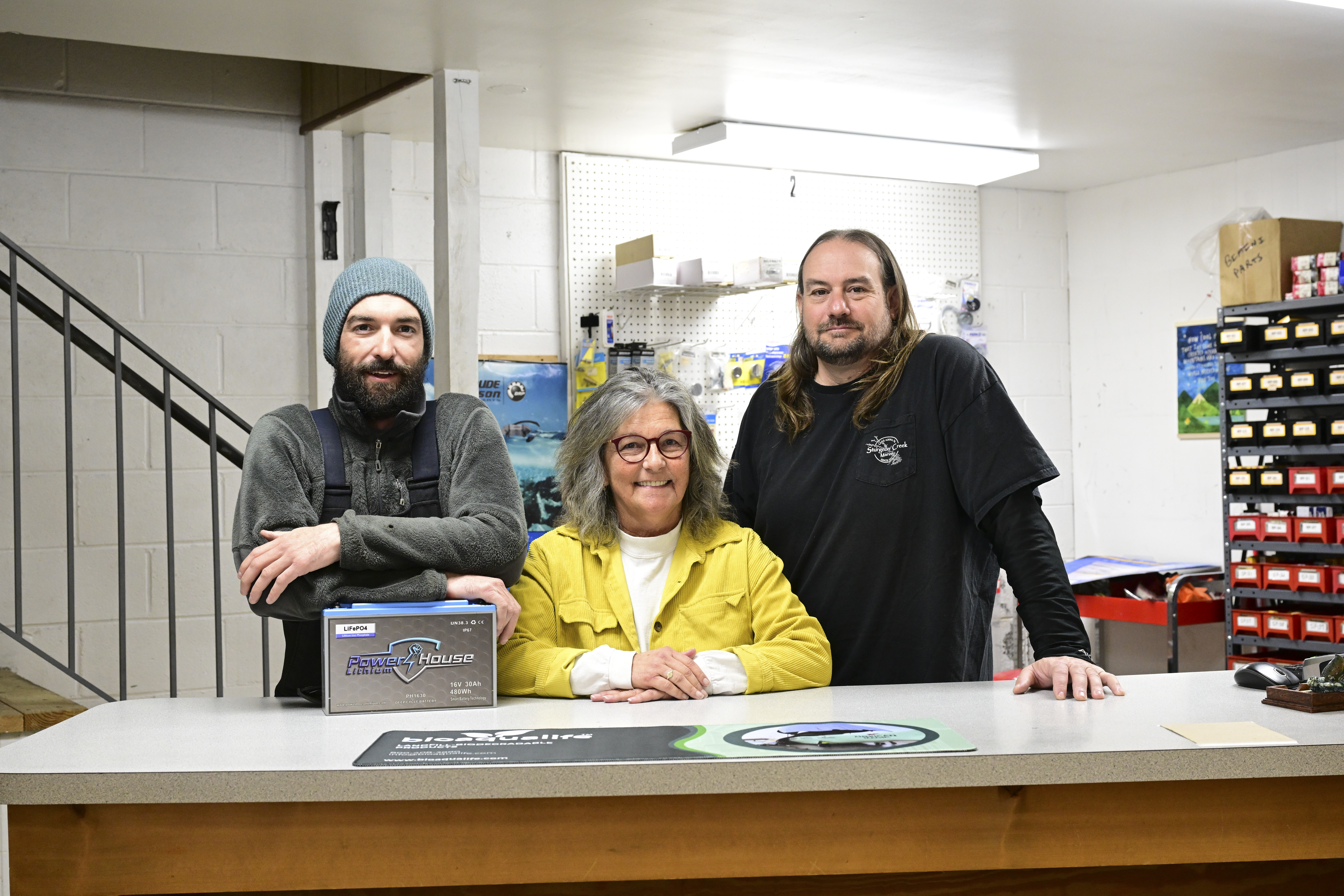
Journalism is often a tiring and thankless job. I spoke with Tammy Purcell about this very issue when I interviewed her for a profile. She understands it even more than I do, given the sheer amount of time and energy she pours into covering local government. Tammy is incredibly dedicated, passionate, and intelligent, and we were honored to feature her.
But here’s the truth: journalism is not only exhausting, it’s also highly criticized and too often under-read. I learned that quickly after publishing my first few issues of The Breeze. I found myself under fire from local leaders, other publishers, and—most often—the community at large. One small mistake, and suddenly there’s a public scowl waiting on Facebook.
Over time, I’ve learned not to defend myself, but to keep going. Still, the most frustrating social media comments usually come from people who never actually read the article. They just react, spewing opinions without bothering to check the facts.
Every now and then, though, a comment feels personal. That was the case when I mistakenly left in a note from ChatGPT after using it to help clean up some data. My editor and I both missed it in the final review. You can see it yourself at the bottom of page 4 in the August issue of The Breeze. One reader called us “lazy” and claimed that AI writes our content.
Let’s be real: AI is a tool—a tremendous help to journalists who are overworked, underpaid (or unpaid), and stretched too thin to cover everything that deserves coverage. It doesn’t replace the reporting; it supports it.
The truth is, journalism has changed in a big way. Local papers like The Central Virginian have been bought out. Some communities, like Orange, have no local representation at all. Social media has filled the gap with echo chambers of misinformation and shallow news.
So don’t criticize your local news for using tools that make coverage possible. Instead, remember that independent media is essential to checks and balances in a democracy—and it may be the only way to keep hyper-local reporting alive in rural America.
Hi! I’m Jennifer Bailey and I partner with entrepreneurs who have massive ideas that could change the world. Most marketing is meaningless. Filled with empty promises, its only job is to bring in new traffic, new leads, and new customers. But I’ve drawn a line in the sand, and I’ve learned that marketing can do so much more than reach business goals and build profit. My methods give businesses the fire and soul they need to reach the right people, set the groundwork for sustainable relationships, and offer true value to the people on both the giving and receiving ends of marketing.
Subscribe for Updates
Sponsors
latest articles
April 21, 2026
Lake Anna Development Continues: Data Centers, Dominion Updates, Roundabout Plaza, New Golf Course & Phosphorus and Hydrilla Management Reports at the 2026 Lake Anna Summit
April 18, 2026
From Louisa County to Hospital Halls: How Virginia Poodles & Doodles Is Making a Broader Impact
April 15, 2026
Lake Anna Waterfront Property | Custom Lake Home for Sale | Lake Anna, VA
March 18, 2026
Puppy Culture, Playgrounds & Early Foundations: How Virginia Poodles & Doodles Raises Confident Companions [Sponsored]
March 2, 2026
The Lion’s Den 1837 Celebrates First Anniversary With Black Tie Evening of Fine Dining and Jazz
February 27, 2026
Five Decades of Innovation in Fishing, and Boating Sustainability at Lake Anna
Spotsylvania Tourism Growth Outpaces Statewide Averages with 35% Surge Since 2019
SPOTSYLVANIA COUNTY, VA — Visitor spending in Spotsylvania County has soared nearly 35% since 2019, reflecting a strong rebound and…
Article By Jen Bailey
![Featured image for “[Spotsylvania] New Speed Enforcement in School Zones”](https://lakeanna.online/wp-content/uploads/2025/09/Blog-pic-scaled.jpg)
[Spotsylvania] New Speed Enforcement in School Zones
To curb speeding and improve student safety, Spotsylvania officials have announced the launch of an automated speed enforcement program in…
Article By Jen Bailey
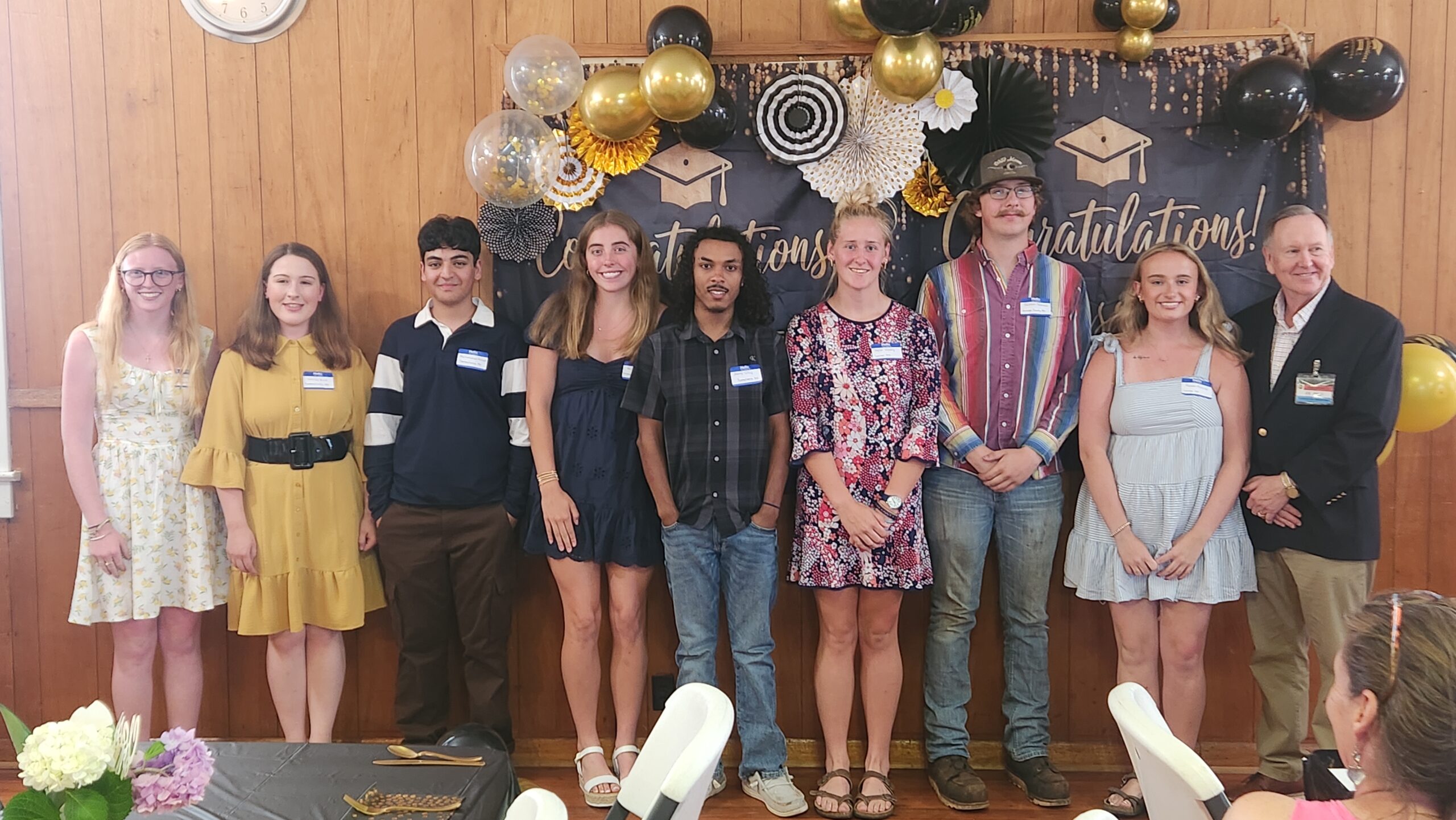
Belmont Ruritan Clubs Award $26,000 in Scholarships to Local Seniors
Thirteen outstanding seniors from Louisa, Orange, and Spotsylvania counties were recognized Tuesday evening, June 3, as the Belmont Ruritan Club…